Photo by Sean McGee
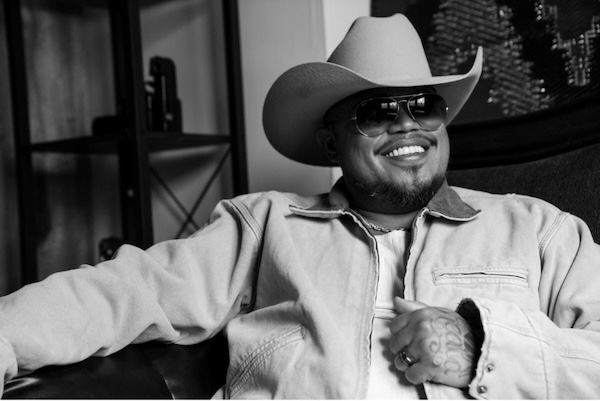
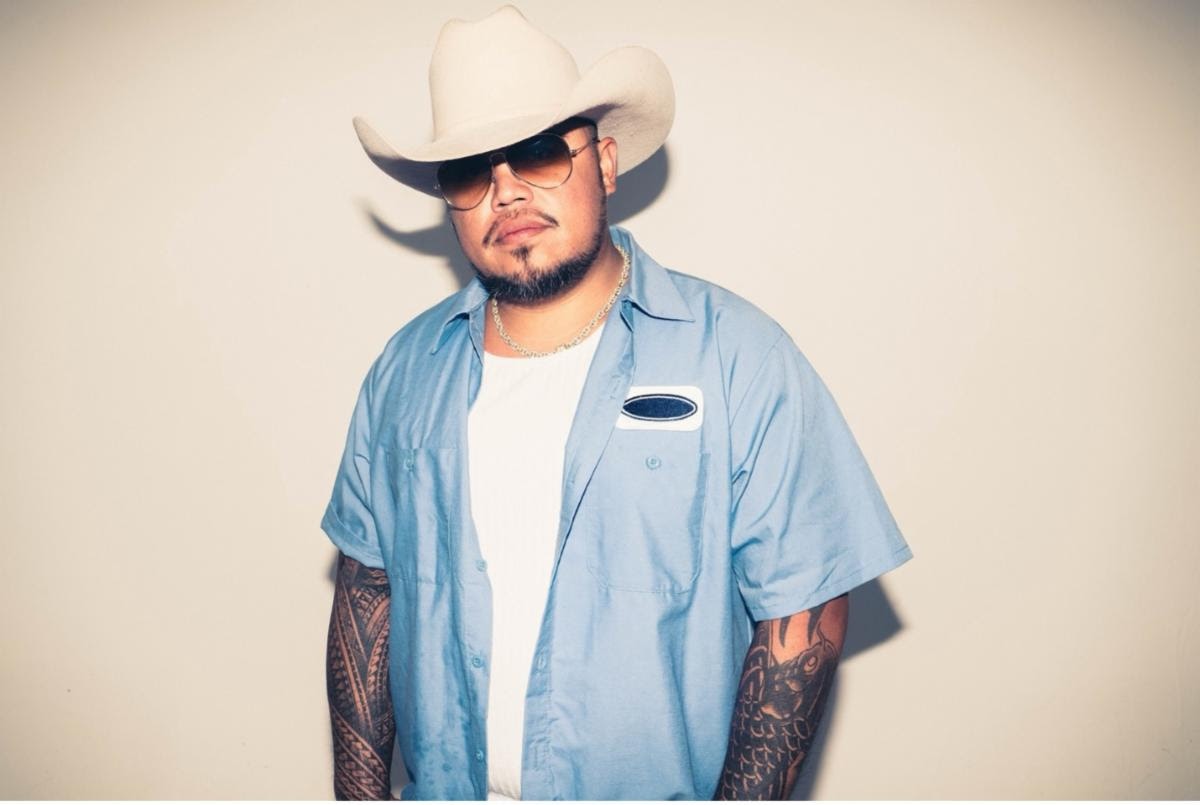
Anyone who has visited the Hawaiian islands has likely encountered “Jawaiian,” the musical style that is unique to that place. Blending reggae, country, and a breezy vibe, it is feel-good music that perfectly embodies Hawaii’s laid-back atmosphere and locals’ upbeat attitude. For the past fifteen years, one of the leading artists in this genre is Maoli, whose 2008 debut album, Groovin, immediately became a hit in Hawaii. Across several more albums, Maoli’s success expanded to mainland North America and throughout the Pacific, thanks to hits such as “Every Night Every Morning,” “You Can Have It All,” “Mercy,” “Beautiful,” and many more.
In 2025, Maoli switched to full-on country with the album Last Sip of Summer, which resulted in a debut appearance at the Grand Ole Opry. Now, though, there’s a return to the blend of reggae and island country with MMO 3, which was just put out on August 28. It is the final installment in a trilogy that began with Maoli Music Overload, then MMO2, both released in 2023.
Calling from Maui, Maoli explains to The Big Takeover about his unique sound, how hard work at a string of difficult jobs makes him appreciate his success in music, and why he thinks his music has connected with listeners throughout Hawaii and beyond.
For someone who hasn’t been exposed to your music yet, can you give an overview of what your vibe is, and what you’re aiming to do with your music?
MAOLI: When you come to the [Hawaiian] islands, you get to really experience the culture, and also the music, and it’s a style and a way of thinking that is different than any place in the world. For me, growing up in Hawaii, there was a lot of country living. A lot of people don’t know that, when it comes to the islands. A lot of people think that we’re just people living in huts and stuff like that, living off the land! [laughs] But no, there’s a lot of country living out here. So I got to relate to a lot of artists growing up, like George Jones and Vince Gill and George Strait – I had country music embedded in me from a young age. This is kind of a mixture of country and reggae, so it’s the storytelling and the melodies of country, but yet the island feel of the reggae, mixed together. The reggae comes from Jamaica, but one thing that Jamaica and Hawaii have in common is, we’re both island people. So having this mixture together is kind of describing our sound.
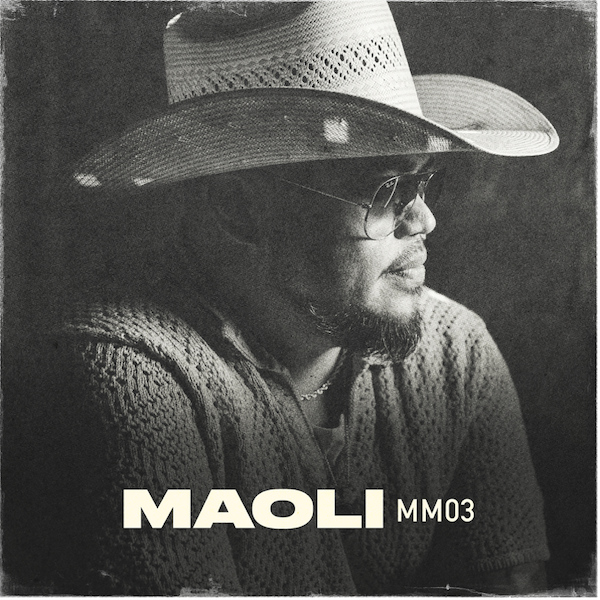
Congratulations on your new album. How do you feel as it’s being released into the world?
MAOLI: I feel good. It’s an ending of an era for me. MMO 1 [Maoli Music Overload, released in 2023] was pretty much my most successful album to date, so ending this whole era is a cool thing for me. It’s just something I wanted to seal up and start something new. I just knew that I had to kind of put an end to this, and we’ll see what the future has to hold.
You did start something new with your last album already, with your focus on country music…
MAOLI: Yeah, for sure. That was a fun project that I got to do in Nashville with [producer] Dan Huff. It was a fun experience. It was really different, but I still had fun doing it.
When you first started out, did you have this sound in mind?
MAOLI: It didn’t start like that. I started off in Hawaiian music and reggae, and then, as I got older, I started playing music and doing a lot of shows here and there. It kind of grew on me where, being from the country, I wanted to go back to where I came from, and it just fell into place.
What’s the music scene like in Hawaii?
MAOLI: I like to say we have our own industry. Something similar to Nashville, but on a smaller scale. But our industry here, you can make a really good living here doing music. I think we’re the second highest in the world with weddings, so we do a lot of weddings here, we do a lot of graduation parties. You can actually tour just in the Pacific, as far as Tahiti, Hawaii, New Zealand and stuff like that.
Is it hard to break into the scene there?
MAOLI: Yes and no. Maybe for some others, it might be a little hard. But for our local artists, it’s not too hard. We’re very supportive of our artists.
What made you want to be a professional musician in the first place?
MAOLI: I just always knew it was my calling in my life. It’s just something I honestly could never get away from. I tried other jobs, and it seemed like I couldn’t hold a job for longer than two months. It always just led me straight back to music. As I started recording and releasing music and started playing shows in the beginning of my career, I kind of knew that, “Maybe I’m good at this.” I guess the fans that love my music, they really stuck around.
What were the other jobs you tried?
MAOLI: Oh, man. I did carpentry, concrete, masonry. I was a dishwasher. I worked in farms and stuff like that. A lot of labor jobs. Very hard jobs. That’s why when music found me, I was pretty stoked to do it.
Of course, many people say they want to be a professional musician, but then it turns out they don’t have the talent or the drive. How did you discover that you do?
MAOLI: It comes from that background of hard work. Even before I had a real job, I was always working at home on my grandpa’s farm. I always had chores. Throughout my life, I always knew what hard work was, so when it came to the music industry, it can be difficult sometimes, but to me, it always felt like it wasn’t as hard as farming and stuff like that. I’d rather be doing music all day than being in the hot sun. So it kind of helped me deal with all the stuff that comes with the industry where it can be difficult. Being on the road away from your family, there’s a lot of sacrifice that people don’t understand that is required when it comes to being a musician. Some people say they want to be a musician, until they really start to understand the sacrifice that is required when it comes to becoming a successful artist.
When did you start learning to play the guitar and learning to sing?
MAOLI: I would kind of say I was a natural drummer, so I picked up drums at a young age. My father bought me my first drum set, I believe, when I was four or five years old, and I started playing on that. As I got into intermediate school, here in Hawaii, it’s almost like you have to play ukulele, so there were classes in school that you had to take where they were teaching you ukulele. And as I did ukulele, you get into other instruments, too: guitar, bass, these other instruments. But I really started when I was playing drums, and it just kind of led from there.
Do you remember the first song you ever wrote?
MAOLI: I do, and I don’t like to talk about that because I sucked at it! [laughs]
Well, everybody starts somewhere!
MAOLI: It’s funny because my 8th grade year, there was this class called “Polynesian Music” where, at the end of the year, in order to get your final grade, you had to write a song, and you had to perform it in front of the class. I remember how, Oh my God, I was so nervous to do this because I didn’t like to sing in front of people. I was very shy. Not only am I shy, “Now I’ve got to write a song and sing it, Oh my God” – it was torture for me. Anyway, my teacher retired, [but] he was very proud that he had a student that got some success with music, so he would play that video for all the students. He played it for maybe at least thirty years.
Do you remember when you realized music was going to work out for you as a career and you wouldn’t have to go back to those other kinds of jobs?
MAOLI: It’s an ongoing thing. It was maybe only about four or five years ago that I really, really started to find success in music. But I would say fifteen years before that, I didn’t know if I was going to do this for a living or not. There was a lot of grinding involved. But it wasn’t until MMO, I would say, where my career just really blossomed in the Pacific and the West Coast, mostly. That’s why this ending of an era, if you want to call it that, I’m just proud of it because it’s like the ending of this – this was the start of my career where I really blew up, and now that I had my fun, I want to do some different things.
What do you think might come next?
MAOLI: I would say the music won’t change a lot, but it’s going to have its different feel, but the roots of my music will always stay the same.
It seems like a lot of artists run out of ideas after a while, but you seem quite prolific. How do you stay inspired?
MAOLI: I like to experience things in life. I think with anyone, you go through ups and downs in life, and you can use that when it comes to the creativity, because to me, I just feel like you start to understand what it’s like to be human. I just want to give these people, my fans, an experience. I go out there and I experience life, and I get inspired by not only myself, but other people that inspire me with their stories and walks in life.
What do you think it is about your music that has made it connect so strongly with so many listeners?
MAOLI: I think it’s just me being me, I guess. I like to think of it as, if you do love the music, it’s really just a reflection of who you are. So if you can relate to it, you’ll love it, no matter if you’re white, Black, Hawaiian, Polynesian, no matter what.
I see you’ve done some recent shows. Will you do a more extensive North American tour for this album?
MAOLI: This year, I’ve been taking it easy because I’m always in the studio, I’m always writing and trying to make music. So this year, I wanted to take it easy on the road, so I haven’t been touring as much. But next year, yes, I will be doing a lot of shows. 2027 and 2028, we’re going to be doing markets I’ve never done before, such as Europe or Brazil, so it’s really exciting.
What do you think about the legacy you’ve created so far with your career?
MAOLI: I’m just doing my thing and just loving what I do. I hope that I’m making people feel better, and I’m sending more love out there in the world. If that’s what they remember me for, that’s what they remember me for; that’s the legacy.
For more about Maoli, visit www.maolimusic.com/.