
“Strange DNA’s debut single ‘CRY’ blends dark electronic pop, synthpop and cinematic textures into an emotional story of identity, isolation and transformation — introducing a visual world where the strange parts of ourselves become sources of power.”
“Strange DNA’s debut single ‘CRY’ blends dark electronic pop, synthpop and cinematic textures into an emotional story of identity, isolation and transformation — introducing a visual world where the strange parts of ourselves become sources of power.”
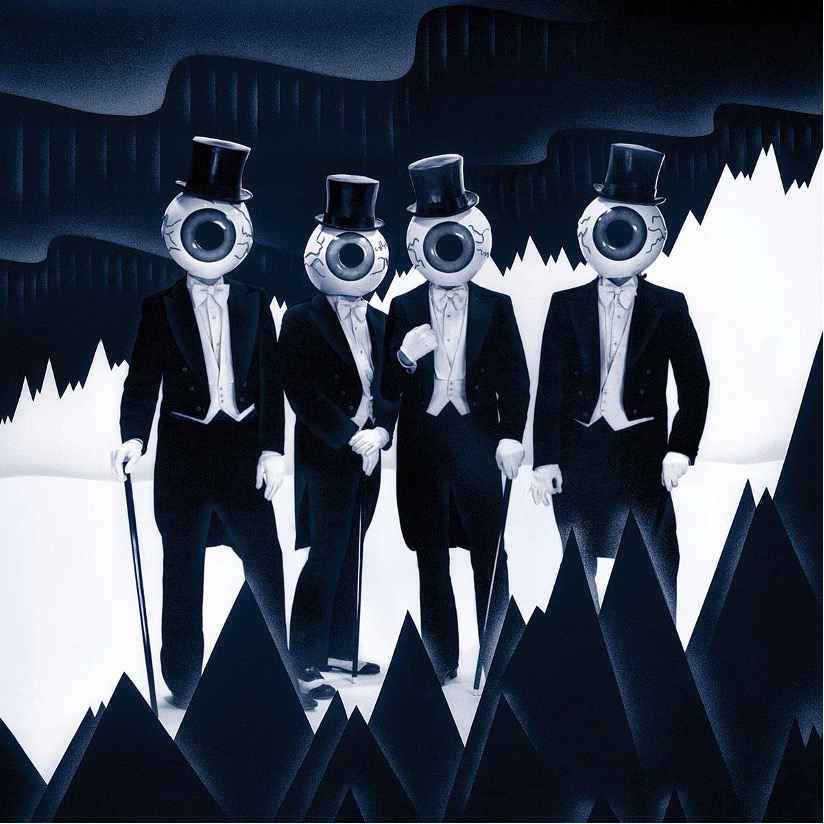
The Residents had two concepts when they started recording the original Eskimo album: they wanted to make an album based on what then called “ethnic” or “foreign” music, and they wanted the music to be based on sounds, not traditional music rules or values.
The Residents had two concepts when they started recording the original Eskimo album: they wanted to make an album based on what then called “ethnic” or “foreign” music, and they wanted the music to be based on sounds, not traditional music rules or values.
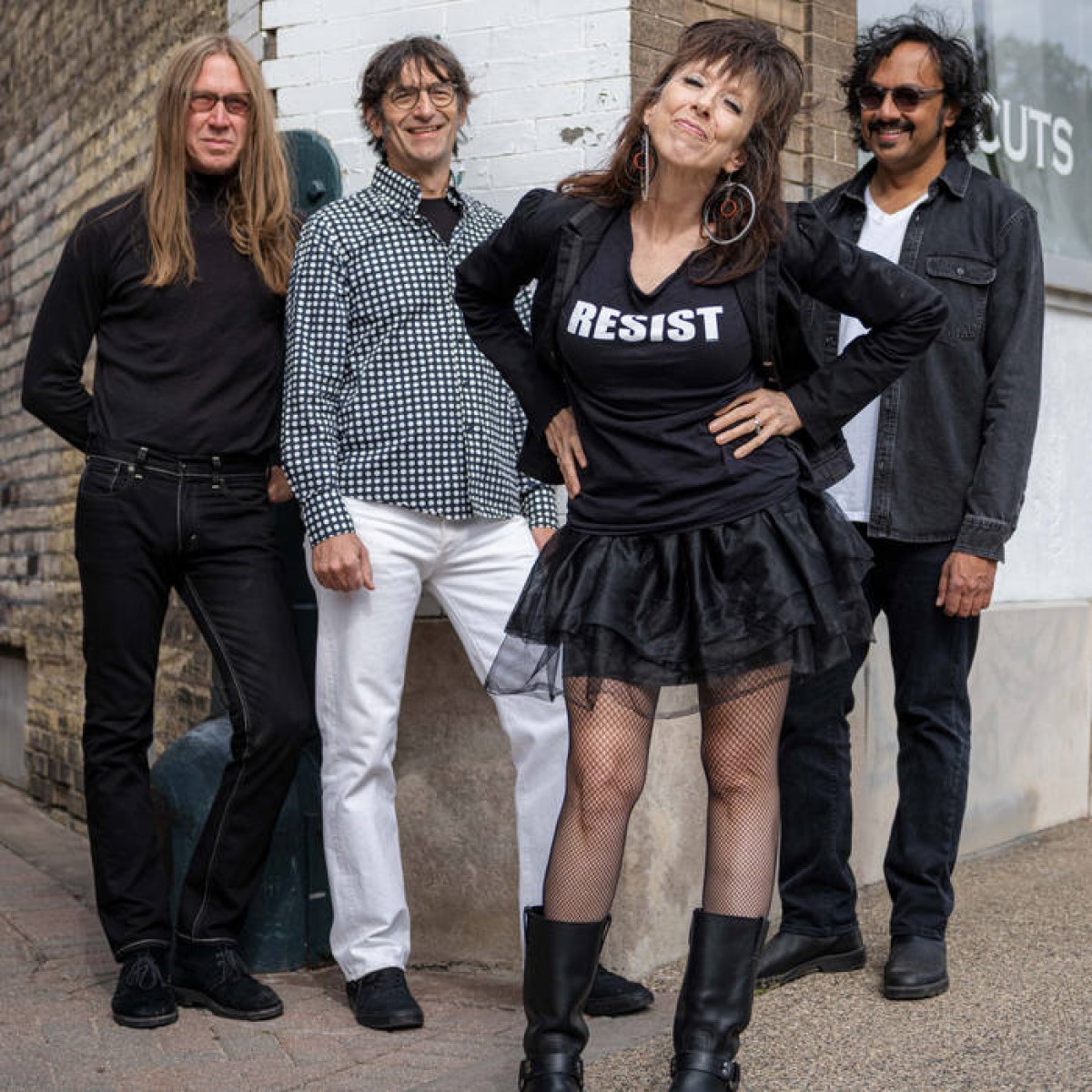
As Rowdy Roddy Piper noted, there’s a time for chewing gum and for expressing yourself, and Cindy Lawson’s plum out of gum. That’s the best way to explain her loud, punk & proud EP, LONG LIVE THE RESISTANCE!, a snarling blast of Minnesota not-so-nice addressed to the jackbooted interlopers of ICE.
As Rowdy Roddy Piper noted, there’s a time for chewing gum and for expressing yourself, and Cindy Lawson’s plum out of gum. That’s the best way to explain her loud, punk & proud EP, LONG LIVE THE RESISTANCE!, a snarling blast of Minnesota not-so-nice addressed to the jackbooted interlopers of ICE.