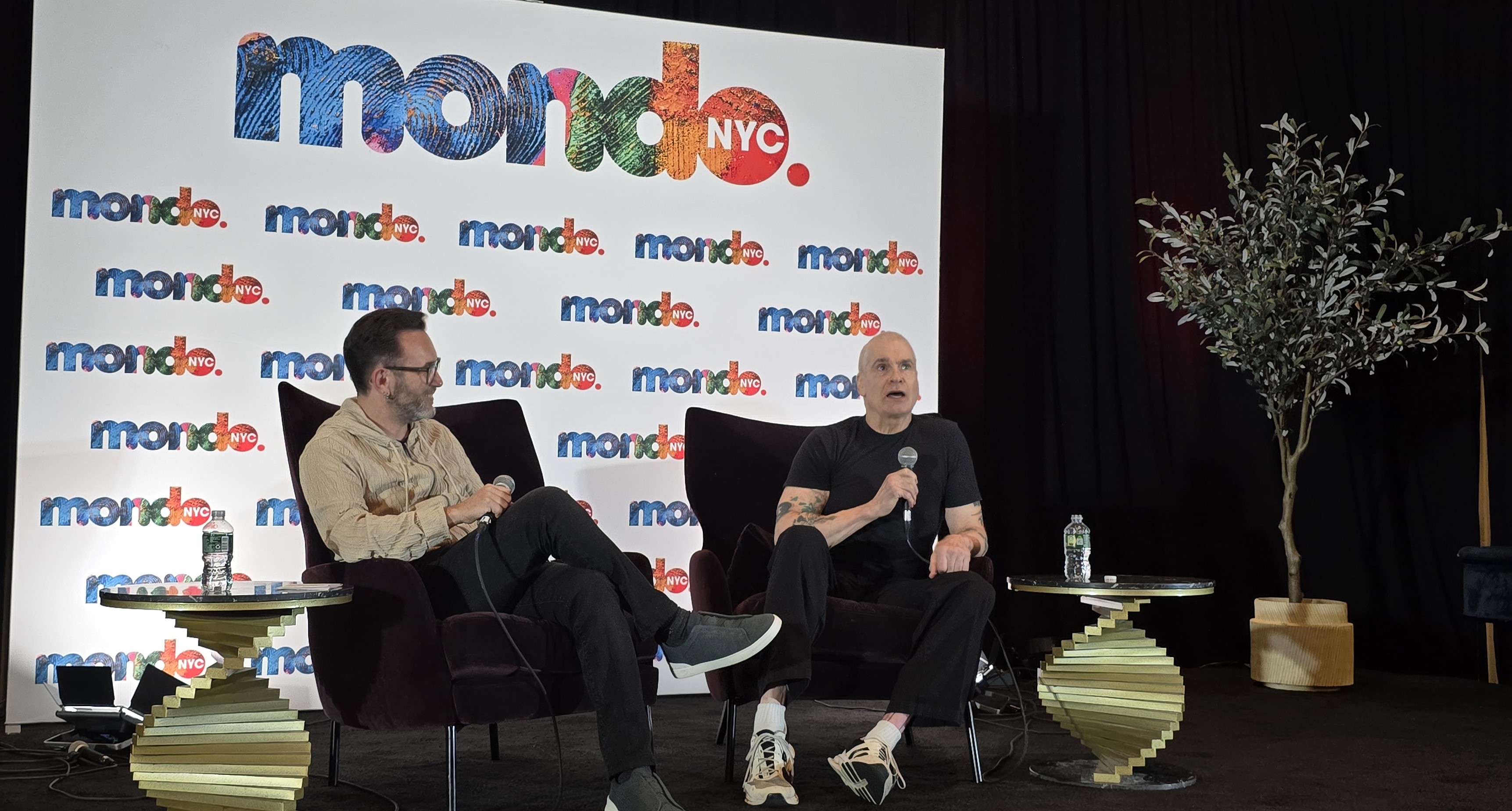
Mondo NYC music business conference celebrated its 10th anniversary October 14-17 with a four-day gathering of ardent music industry professionals, including major & indie label executives, managers & lawyers, music publishers, technology entrepreneurs, policy lobbyists, educators, and currently performing artists (many attendees also had a history of performing and/or recording music), with many forums moderated by journalists from Billboard, Variety, & Fast Company, who spent heavily-scheduled days & evenings at the Arlo Williamsburg Hotel, for intensive presentations, panel discussions, informal chats, and happy hour revelry in the packed bars, with some diehards heading to later night music showcases in lower Manhattan and north Brooklyn. (See my review of last year’s Mondo NYC for The Big Takeover.)
This year’s performers included Atlanta rap star T.I.’s talented psychedelic blues guitar rocker son, Messiah Harris, who goes by Buddy Red for his music, and Quebec, Canada’s twin-brother fronted Brit-influenced alt-rock goup Absolight and their hooky riff-layered passionate songs (I met both at the conference, and lent my Epiphone EJ160-E John Lennon signature guitar for Buddy Red’s appearance on ABC New Live after the conference but unfortunately, I wasn’t able to attend the showcase).
There was plenty to explore at the conference, as co-founders Bobby Haber and Joanne Abbot Green (who also founded the now sadly defunct CMJ Music Marathon) continue to expand the breadth of Mondo NYC, with an array of personalities who help shape the prodcution, marketing, and distribution of much of today’s music in a quest for superfans worldwide, each opining on how to overcome ever-present challenges in an industry that continues to evolve in the face of technological change (Web3 innovations are less pressing, but AI is still the great unknown that looms as a bane or boon, depending on whether your role) and business model disruption.
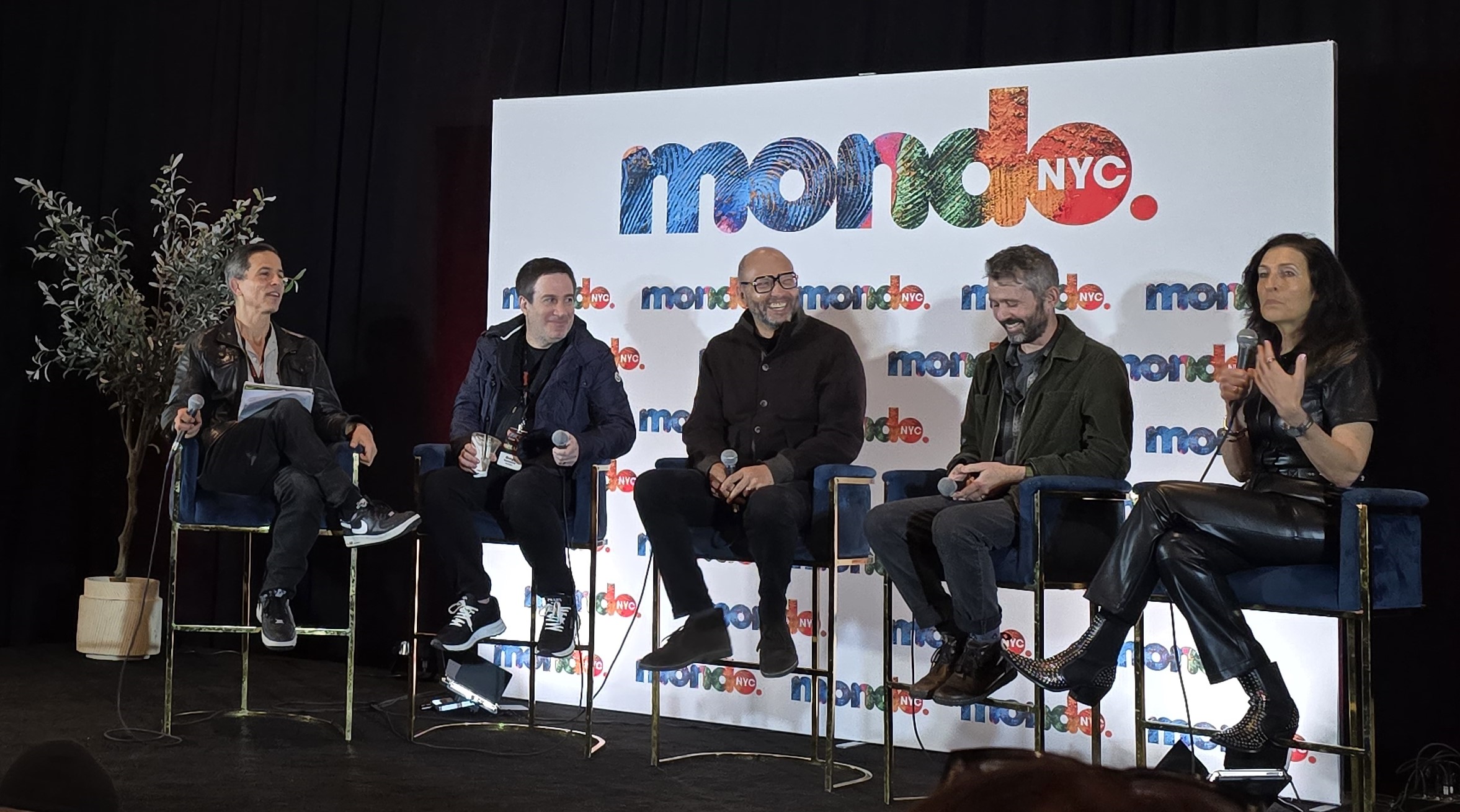
Tuesday kicked off with a state of the music business panel, moderated by Jem Aswad, Executive Music Editor, Variety, with perspectives about the biggest issues from Audrey Fix Schaefer of the National Independent Venue Association about concert revenue issues because “kids don’t drink, they’re seemingly in a post-Covid state of arrested development, but we see more issues with [THC] gummies overuse,” and rent-seeking scalpers gouging fans, while singer-songwriter Peter Silberman of Brooklyn indie folk band The Antlers voiced the need for fans to buy digital downloads vs. streaming if they really want to support artists, and Aswad questioning the algorithmic rigidity siloing people from discovering new music.
For entertainment value and heart, the fireside chat between hardcore punk/spoken word stalwart Henry Rollins (formerly singer of Black Flag and Rollins Band) and his friend Jason Feinberg of music publisher Kobalt was the highlight of the week, with the 64-year-old spitfire Rollins unleashing his stream-of-consciousness thoughts about his rising star trajectory that precursored the current multi-hyphenate life that many more artists now bear simultaneously as entrepreneurs, creators, and executives in their creative journey.
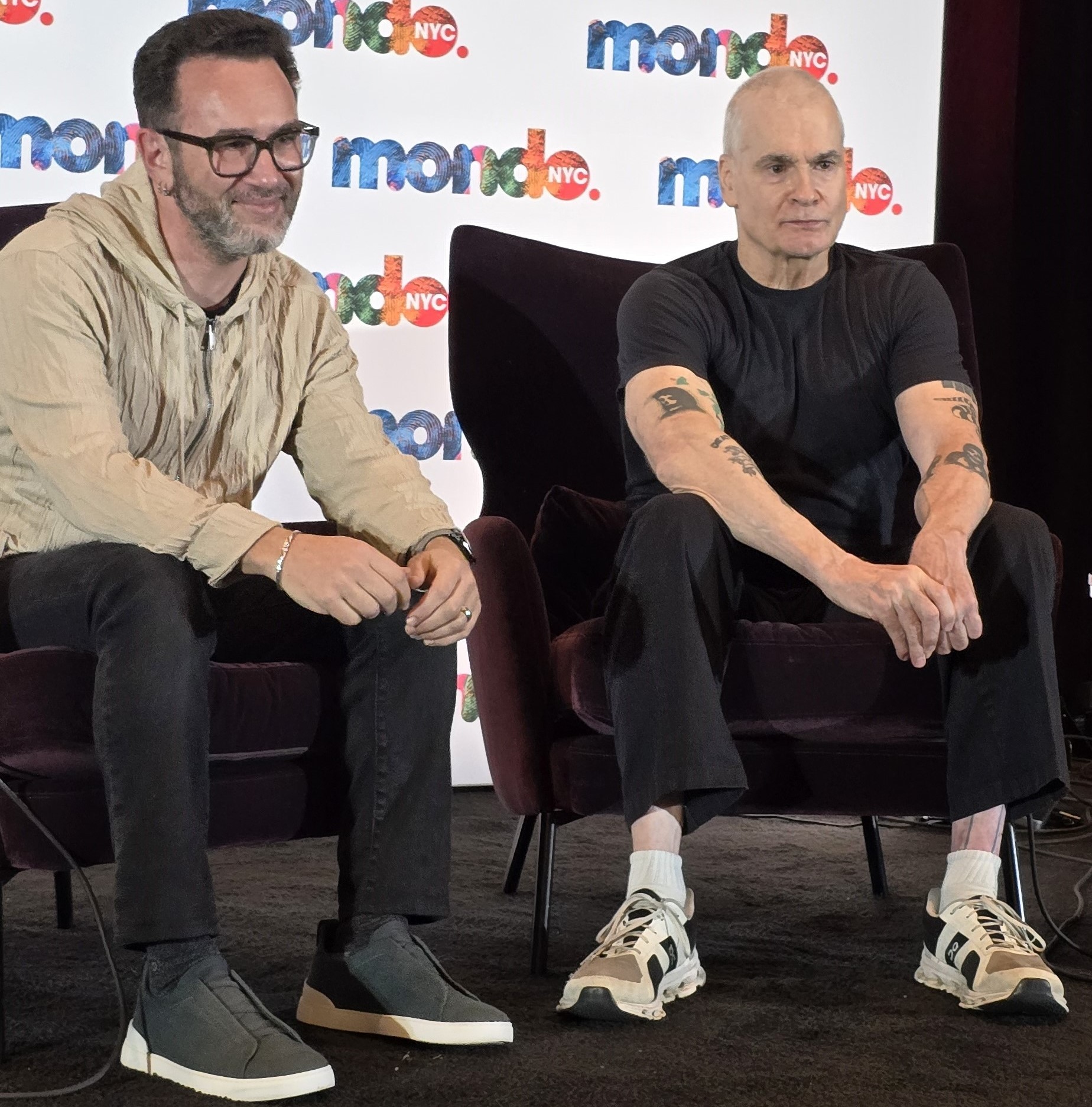
Rollins spoke with trademark rapid vigor of his early days as a young punk:
[We were] perpetually broke… we never stopped moving… what we had was our determination… an unwillingness to stop… it wasn’t so much ambition, which to me won’t get you anywhere, it was resolve… Now I’m kind of unstoppable. And it’s the adversity. I came from the minimum-wage working world of the late 1970s, early 1980s. My last normal job was managing an ice cream store in Washington, D.C. So I’m there 60 to 80 hours a week trying to sell Häagen-Dazs ice cream to Georgetown University students. And the Black Flag said, Audition to be in our band. I said, Yes, one, please. I leave town in the summer of ’81 with six $20 bills, which were taken by the band from me, and a duffel bag of clean clothes, and suddenly I’m in Los Angeles, and we’re broke. And I thought I understood hard work, until I joined Black Flag. I would watch Greg Ginn and Chuck [Dukowski] work all night on the phone, and then get up and work all day, and then go to band practice. And I realized you can work 16 hours a day without sleeping, and then you can sleep on a floor with bugs in your hair and eat dented avocados from the produce store. They sell ‘em cheap. And then tourists were like, It’s like four guys who want to beat up the singer and there’s no money, and you’re washing your face and hair in the sink of a Denny’s, and you wait for it to rain and go outside after the show and stand in the rain and rub your body in a pair of gym shorts. That’s your shower.
And from that, it was like rock and roll boot camp. I did five years of that, and it never really got that much more luxurious than the outdoor shower. And it made me, as I said, unstoppable because ambition meant nothing out there. The tour is 115 shows, a lot of two sets a night, you try it in Austin in August with 110 degrees and no breathable air, the drummer Bill Stevenson and I would look at each other, we’re dying, right? By the fourth song, we’re dead. Absolutely. And quite often, Bill would faint. And so you get a breather because the drummer’s on the floor and you’re sleeping on some punk rocker’s floor, and it is how you get lice. They’re on the carpet. And so I did that, and I’m so glad I did at the time. It was kind of miserable at times, but it made me able to start companies and just go, okay, here’s how you start a company on no money…
Black Flag taught me that I want that unkillable thing. And we thought we were good. We were trying to write good songs and play to where the music was beating us to death. And we’d have to survive the music and the audience and our intent, even though we were maligned by the church government and the press, our intent was good. We were vegetarians. You eat babies, we eat tofu, shut up! But our intent was King Crimson meets the Tet Offensive… the intent was to do a great show every night and obliterate the audience with good music.
So commerce was never really part of the conversation [until] years later, money started coming into my bank account, and then the balance between art and commerce began… I was at the [New Music Seminar] festival in New York [in the ‘80s], and I’m seated next to Leonard Cohen, which was incredible. And he knew a little bit about me, and he said, “Henry, your great challenge will be to balance your art and your commerce.” And I said, “Mr. Cohen, I don’t have any commerce to balance, but thanks for your hope in me that I’ll get somewhere financially.” And then years later, art in commerce did become a balance, but for me it was really easy because it was always about the art and never about the commerce… money for me has always just been a practical thing. These clothes are like 15 bucks for all of it at Walmart… I know I look 88 to you. I am 64 years… I’ve been in the independent thing since I was 19. My best friend is a guy named Ian MacKaye, who you might know from Dischord Records, Minor Threat, Fugazi. I watched him build the mighty Dischord Records label at his mother’s kitchen table on notebook paper. It’s in its fifth decade, and it’s still going strong. I was there a couple of weeks ago, and the place is humming, and they sell good records for really cheap to good people. And that’s kind of the only ethos Ian has. No one’s getting rich at Dischord, but the lights stay on, and he’s just one of those stubbornly good people who doesn’t do the wrong thing.
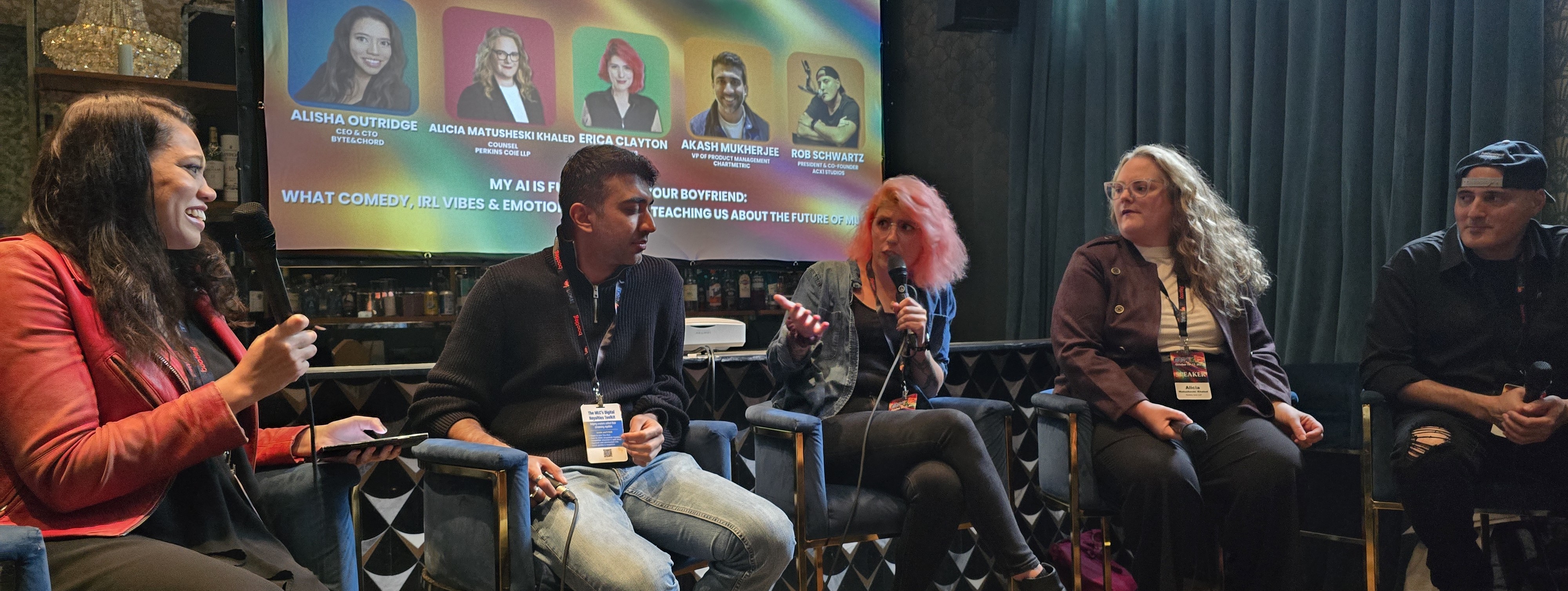
Apart from Rollins’s gritty stroll down memory lane, the future of AI was foremost on almost everyone’s mind, especially with the prevalence of AI fake artists contributing to the sloppification of streaming platforms. Music tech CTO Alisha Outridge and customer experience (CX) expert Erica Clayton brought up the Grimes AI project they worked on together in 2023 at digital distributor TuneCore, an AI collaboration tool trained from Grimes’s catalog, with user-generated songs paying a 50% revenue share with take-down rights belonging to Grimes, which was an artist-friendly way to integrate AI. Akash Mukherjee of Chartmetric pointed out that AI is helping with curation through better tagging of sound files, but that there is still a lag in addressing which components of mixed human/AI-generated content are AI.
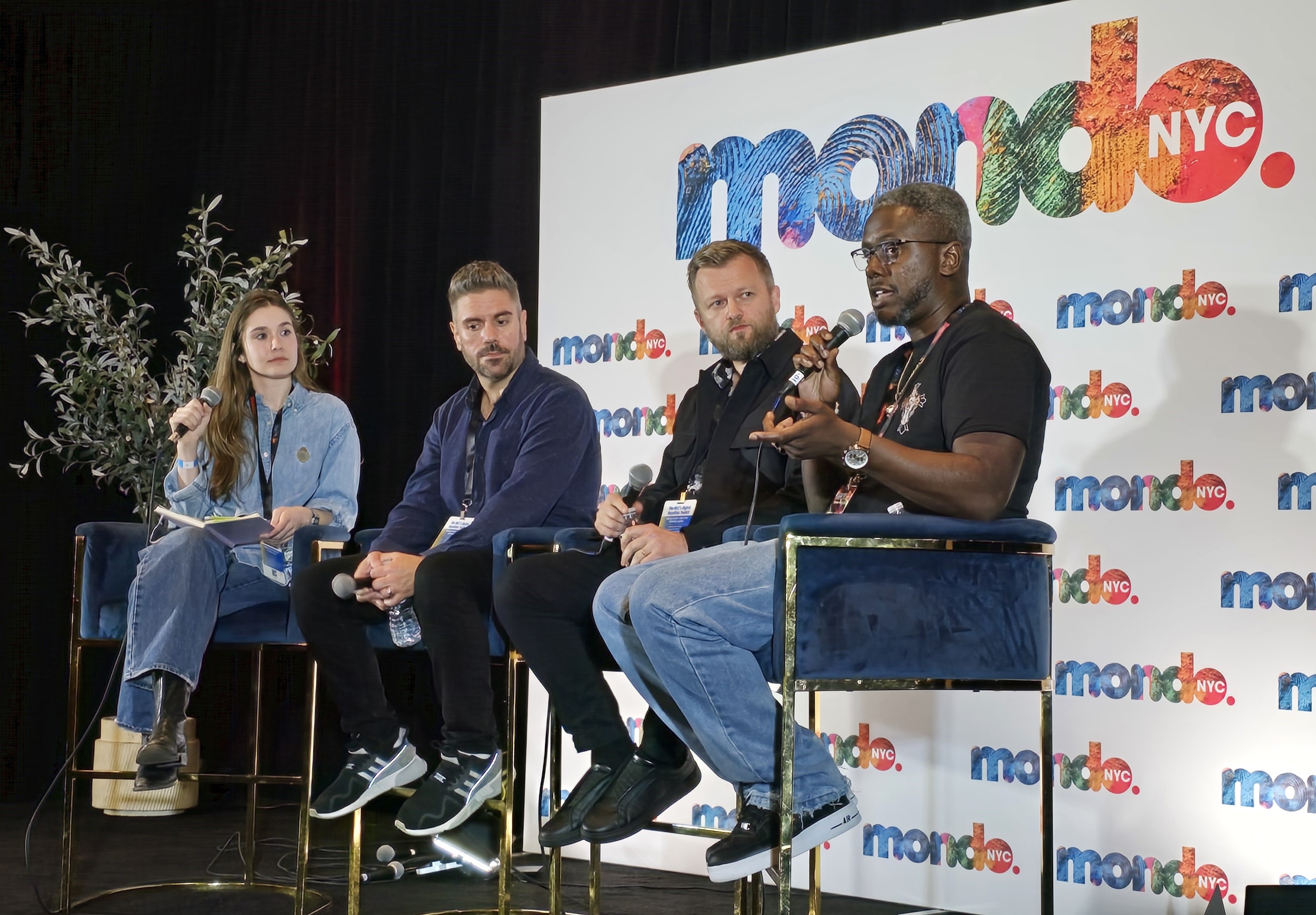
Kristin Robinson of Billboard led a conversation about AI’s impact of the creative process, with Michael Pelczynski, Co-Founder of AI vocal cloning platform Voice-Swap, mentioning his work with a well-known legacy folk singer-songwriter (to be named later) whose “approach wasn’t: what new music can I make with this?, but, What can I do with the voice model?” and is creating voice models from each of his eras. Atlanta producer Gerald “The Sound” Keys (Ludacris, Justin Bieber, Usher) is enthused about AI platforms like Suno and Sora, “because I work with youth a lot and I know the barrier to entry is very discouraging for musicians and creatives; I believe in cheat codes. I believe the more information that you have, the more technology evolves, it should be easier to create. So I think it’s a great thing for creativity because some of the most creative minds I know don’t play instruments.”
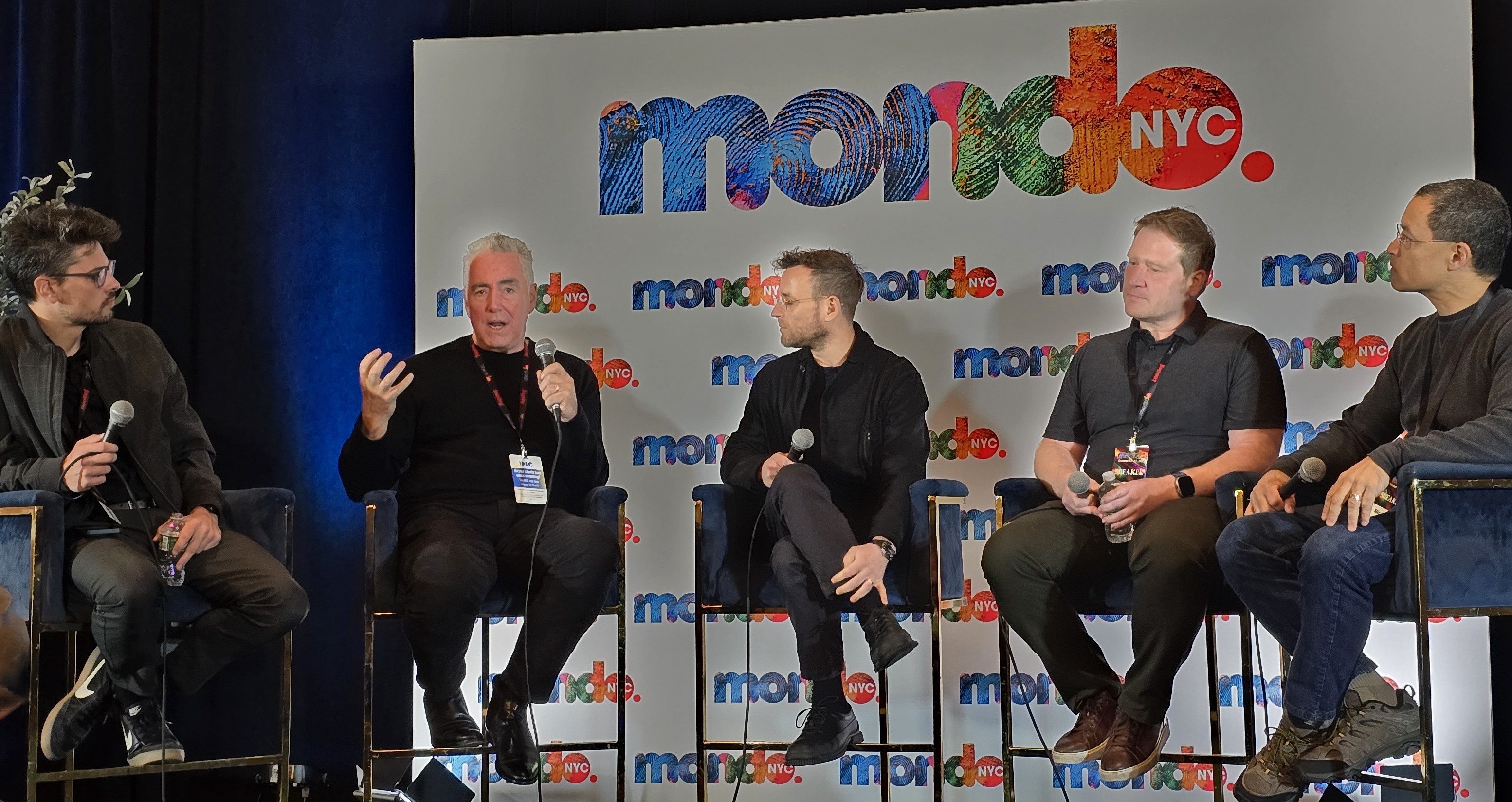
The “Boring is Back” panel acknowledged the importance of AI solutions for back-office tech infrastructure complexities in tagging, as well as rights & royalty management, which are key to valuations for investments in back catalog, but Edward Ginis, Co-Founder of rights management platform OpenPlay diagnosed some of the obstacles to AI implementation, including “a huge talent problem… of getting great technologists [and entrepreneurs] because the music industry is… very unwelcoming to startups, it’s a very fragmented industry. You’ve got to go door to door to labels, publishers, distributors, and there are thousands of them, and once you do get excited about working together, you need to operationalize it, and you’ve got to work with their process and their systems, and that’s just not scalable.”
He also agreed with boutique music fund CollectivRights Management partner Michael Lau’s called on the industry to prepare checklists of catalog holdings rather than leaving it to lawyers to analyze lengthy contracts during deal due diligence, noting that “switching costs have been this industry’s Achilles heel across distribution, and public administration to move content… You are weighing six months to a year plus, and your team’s time, to move to a different group that’ll give you a better commercial deal. No other industry makes [it] that painful to leave. There is also no good way to manage chain of title. When a buyer and a seller consummate a deal, all that diligence is packed up, put in an Iron Mountain box, never to be seen again, not in any system. So the only winners here are the lawyers, no offense to lawyers in the room, but they’re the ones who get to bill massive amounts of money every time that there’s a new search and they start from scratch.”

Mitch Glazier, CEO of the Recording Industry Association of America, engaged in an illuminating one-on-one conversation with Dan Neely, CEO & Co-Founder of generative AI rights management platform Vermillio, which builds a “neural fingerprint” model from a client’s images and voice to track when their intellectual property is being used in AI content, to protect against nefarious ploys involving fake profiles with AI-replicated voices to fleece unsuspecting fans to donate to specious charity organizations (or worse).
Neely mentioned an unnamed client for whom “a grandmother of one of their producers fell for it and made a donation. You have others where they’re offering meet and greets. The amount of fake meet and greets that are now happening as a result of AI is astronomical. [Even worse is when] it turns out it’s not a charity, but a terrorist organization. Most talent that we work with, they care so much about their fans. That’s actually the issue, where that trust is being breached. And how many seconds are needed of somebody’s voice to create a pretty convincing voice replica? About 15 seconds. If you want to do something that is lyrical singing, you’re probably about 30 seconds to pull it off. That’s crazy.”
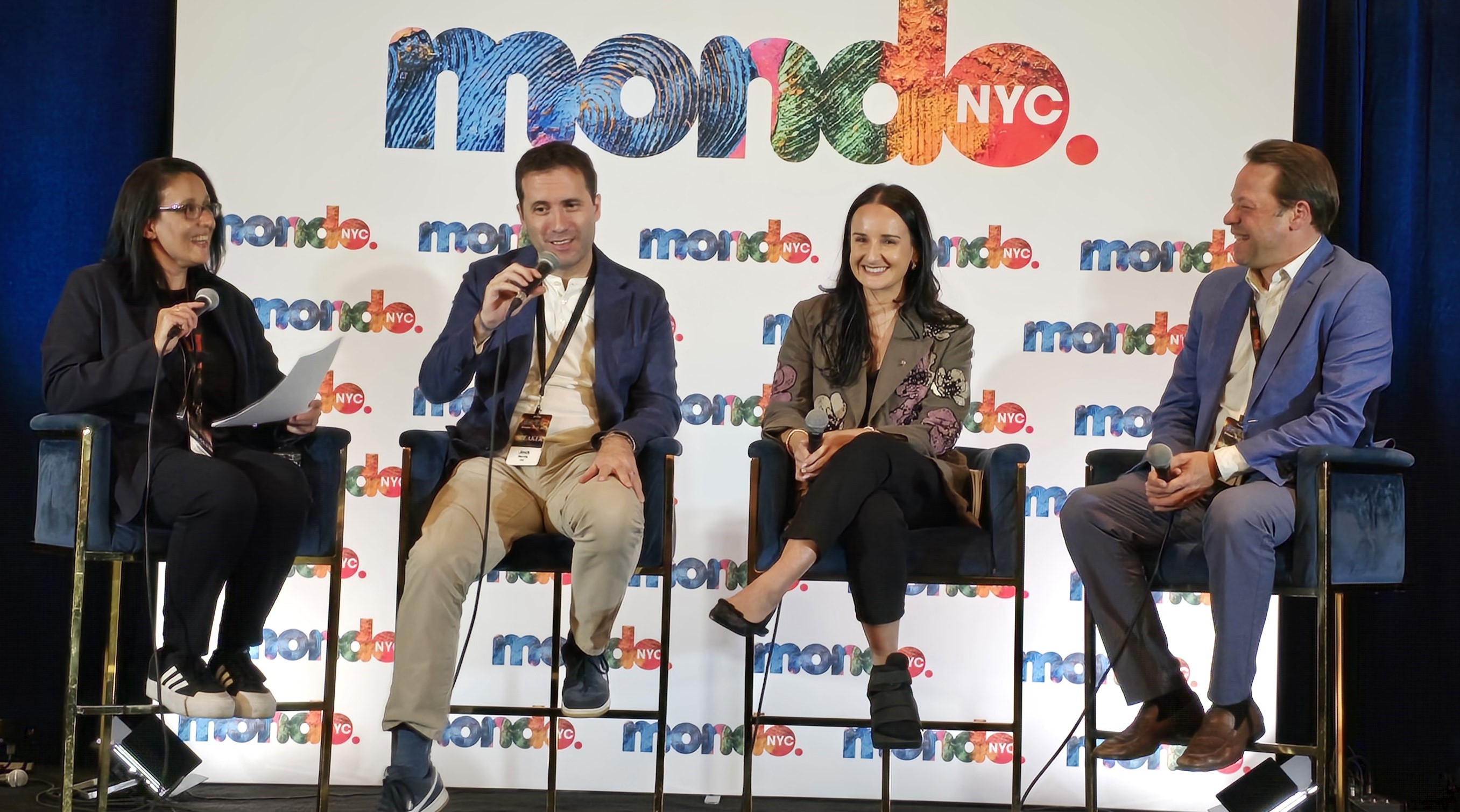
Technology shifts have always impacted the music industry, and it often takes longer for policy to catch up. In an informative advocacy panel, Sharon Tapper of Music Managers Forum-US pointed out that due to congressional intransigence, “the U.S. remains one of the only countries in the world where artists don’t receive performance royalty from terrestrial radio.” Josh Hurvitz of A2IM noted that “we stand with Iran and North Korea, and Cuba, so not great company… this is an issue that goes back a hundred years, Frank Sinatra testified before Congress on this issue, and it goes back to the birth of radio and the transition from performers performing live in radio studios to their retransmission of sound recordings. And frankly, it’s a special interest giveaway for the broadcast companies, who realized long ago to put the local face on what they do, even though the iHeart Radio station in Dayton, Ohio, is run by some executive in Los Angeles. A guy gets on a plane once a year [to speak with a] Dayton congressman’s office and says, If we have to pay for music, we’re not going to be able to serve our local community.
“We think that’s completely ridiculous. The whole reason they have a business is that people are made to listen to the ads that they sell for a lot of money during the music. The same way that radio stations say, You get publicity, and so therefore we’re not going to pay you in dollars because we’re going to pay you in publicity, is being used by DSPs like Spotify.” George York of the RIAA concurred, pointing out the inequity for American artists with overseas airplay because “many of those European countries do not provide royalties back through collective management organizations to you all they do for their own performers, but not to Americans because they believe rightly that their French performers aren’t receiving that royalty here. We’ve had some fortunate wins in Canada for the analog radio play of American performers. Those royalties would come back to America, and that was a result of a U.S. trade agreement with Canada.”
Whether you’ve spent decades in the music industry or are just starting out, Mondo NYC is a must-attend event. It offers a comprehensive look at the forces shaping today’s music business and provides valuable opportunities to connect with the people who help bring the music fans love to life. Tickets are on sale for the 2026 Mondo NYC – October 13-16.