

Never known to be predictable, +DOG+ follow their antisocial masterpiece, Bliss, with a less harsh, but extremely misanthropic album.
The Portland, Oregon psych-pop trio’s debut album is expanded with nine additional songs and a DVD of geeky, awkward public access appearances, all of which adds up to a charming, fun release.
The sextet doesn’t break any new ground, but that’s doubtless not its intention.
Sounds like Sigur Ros, doesn’t it? Or maybe Explosions in the Sky? Or maybe both at once.
Passion is pretty much state-of-the-art 21st century prog rock, with heavy guitars powering melodies that move back and forth between minor key darkness and major chord uplift.
Sure it has all the hallmarks of a ’90s-ish noise rock classic, but for the most part, it reminded me of an unlikely combination of Karp and post-In on the Killtaker Fugazi.
Bauer may have cemented himself among the top indie folk acts with this album.
Regardless of stylistic permutation, though, Shine’s strong songcraft drives the tunes home with ease.

Moving away from the blues-based Rolling Stones influence and more into the ’60s girl pop sound, Italy’s Miss Chain and company have managed to craft an album that is as contemporary as it is retro.
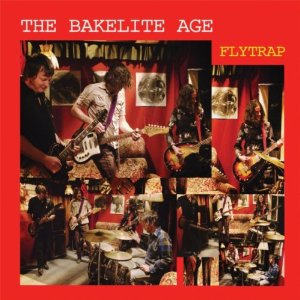
Is the Australian quartet a garage band? A psychedelic act? A noisy indie band? The answer is, of course, all of the above.

In which we are aurally attacked by NYC’s not-so-young punk upstarts Caterwaul of Sound and conclude: “That’s Not Sick, That’s Funny”.

On Post Modern Nation, MoTel Aviv evokes a specific era of postpunk pop music, when guitars soared over nimble, danceable rhythm sections and the vocalist sang unabashedly to the furthest seat in the hall.

Boston’s By The Throat play that good old hardcore, the kind that had that manic beat that drove you nuts, but was melodic enough to stick in your head after the song was over.
This is definitely recommended for fans of the softer, more adult-oriented and mature side of power-pop.
One song is called “Naked Reagan”. If you get the reference, you’ll love this.
The Netherlands’ Sungrazer hands out sweet slabs of psychedelic heavy rock like pieces of warm chocolate – thick, almost sensual, but with enough air between the molecules to keep the sound from becoming oppressive.
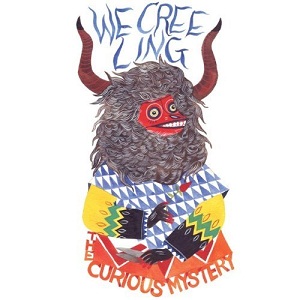
We Creeling is quite possibly the best true psychedelic album recorded since maybe 1972.

It’s not unusual for an artist’s most popular record to contain a couple of classic singles and little else, but that’s not the case here.

Tenth Life, its ninth LP, offers ten tracks of good old-fashioned guitar rock – crunchy, loud and tuneful.
While not completely, thoroughly engaging, this compilation gives an interesting glimpse into the indie electronic underground of today.
While most folks were praising the pop genius of leader Sam Prekop I always thought him inconsistent, with dangerous leanings toward the worst 70s soft rock pap.
It’s a gnarly bit of New Zealand hardcore that’s a bit like having four crazy bums jump you on an empty subway while scream non sequiturs in your face.
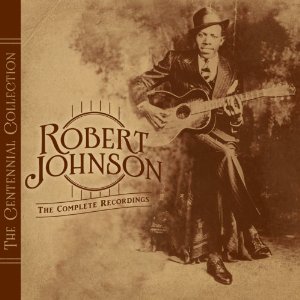
Released to celebrate the blues pioneer’s 100th birthday, The Centennial Collection serves as one-stop shopping for newcomers to singer/guitarist Robert Johnson‘s brief but extremely important oeuvre.

Williams’ magnificent 2009 single “Sufferer” becomes Euphoria’s centerpiece, unchanged but even more potent amidst eleven more songs of the same shaky, yearning flush.
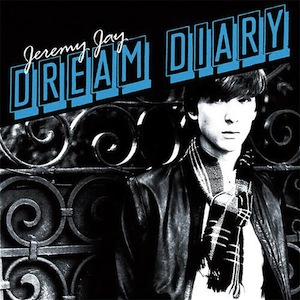
Jay is a strummer of great intensity, but I think it requires some extended attentive listening to hear the unaccountable heaviness of his playing, muted scratching between full blooms of pure, unchased electric guitar.

Funny how one generation’s soft-rock is another’s indie rock.
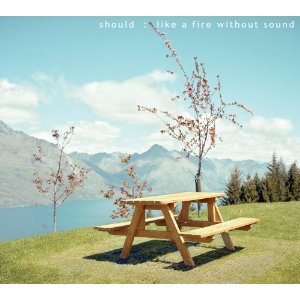
The sound of Should has always tended toward the delicate, but on Like a Fire Without a Sound, the popgaze duo has crafted a record so gossamer and sedate as to be almost fragile.
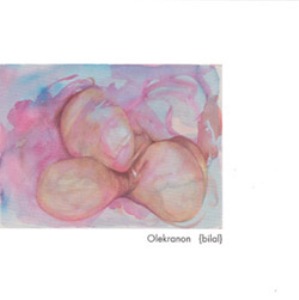
Quite frankly, Bilal is a brilliant, ambitious work that is as much a work of art as the paintings that grace the cover and inserts.
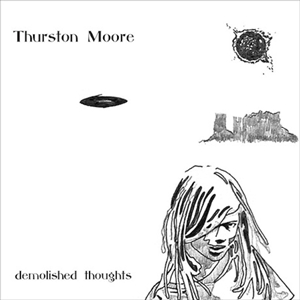
With his third solo effort, Sonic Youth’s Thurston Moore makes his most mature effort to date.

Almost impossibly lovely, Street of the Love of Days speaks loudly at low volume.
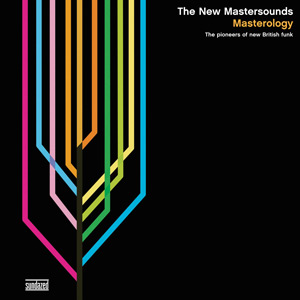
If you’re needing more instrumental funk in your life, this 19-song ten-year retrospective is a perfect place to begin.
Tallahassee dreampop combo Mira hasn’t existed in several years, but in, celebration of the eleventh anniversary of its debut LP, guitarist Tom Parker assembled The Echo Lingers On, a compilation of non-album cuts.

The Gospel of Efrim Menuck (Godspeed You! Black Emperor) is a series of hymns worth preaching.

With not a melody, harmony or note wasted, Sloan is at its memorable, well-crafted best on _The Double Cross.
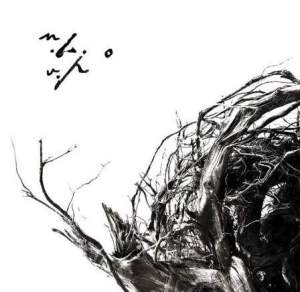
There’s something to the music of Romania’s Negura Bunget that’s captivating, fascinating and unique in a way that most run-of-the-mill black metal bands can’t pull off.

ROCKABILLY- The Twang Heard ‘Round The World is an illustrated history of the genre.
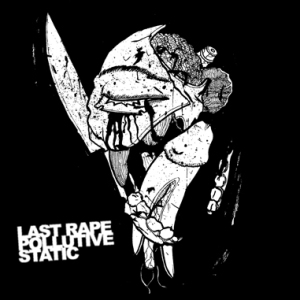
Last Rape from Texas and the UK’s Pollutive Static join forces to unleash their individual wall-of-static sounds on ears that appreciate pain.
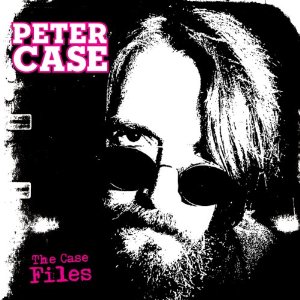
In case you’re wondering what could possibly justify such a cheeseball album title, The Case Files is a compilation of Peter Case‘s “demos, outtakes, one live shot & other rarities” from as recent as 2009 and as far back as the mid-80s.
Portland, Oregon trio Explode Into Colors existed for a brief time, and this collection documents why their split was and is unfortunate.

Lucas has flirted with pop on most of the Gods and Monsters disks, of course, but this is the first album on which he’s carried a vision of succinct, catchy songs all the way through.

This fifth full-length release shows the musickal magicians constantly refining their sound, but staying true to the original ideas behind the band.

Now that Rasputina has been in existence for nearly two decades, it’s obviously time to clean out the closet.

Some post-rock bands choose to concentrate on bright sounds of hope while others try to capture what doom feels like. This Will Destroy You falls into both categories.

British musician Alexander Tucker made his rep as an electronic experimentalist, but apparently the lure of the song was too strong.

Love Earth Music celebrates its 50th release with DOG‘s best and ugliest album.
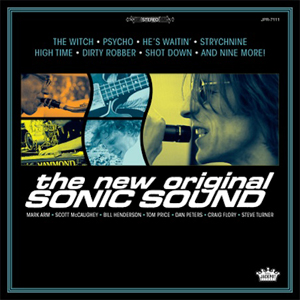
The production is appropriately dirty and analog for a tribute to The Sonics, and all the essential elements of the music are in place: organ, guitar, saxophone, and gritty blues howl.
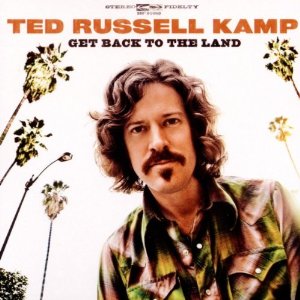
One of the best bits about this music critic gig is watching gifted artists get better and better.
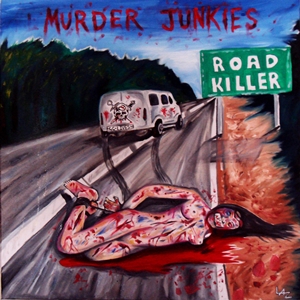
Misogynistic, crude, racist, and generally offensive. But what did you expect from the final backing band of GG Allin? Did you even look at the cover? If you’re looking for subtlety, look away.
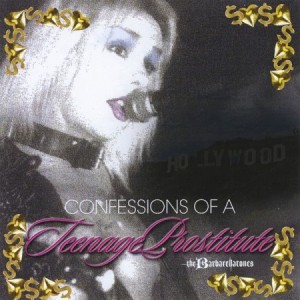
Confessions… finds head honcho Robbie Quine in a whimsical, dreamy mood delivering a psychedelic pop masterpiece that explores the outer regions of head music.