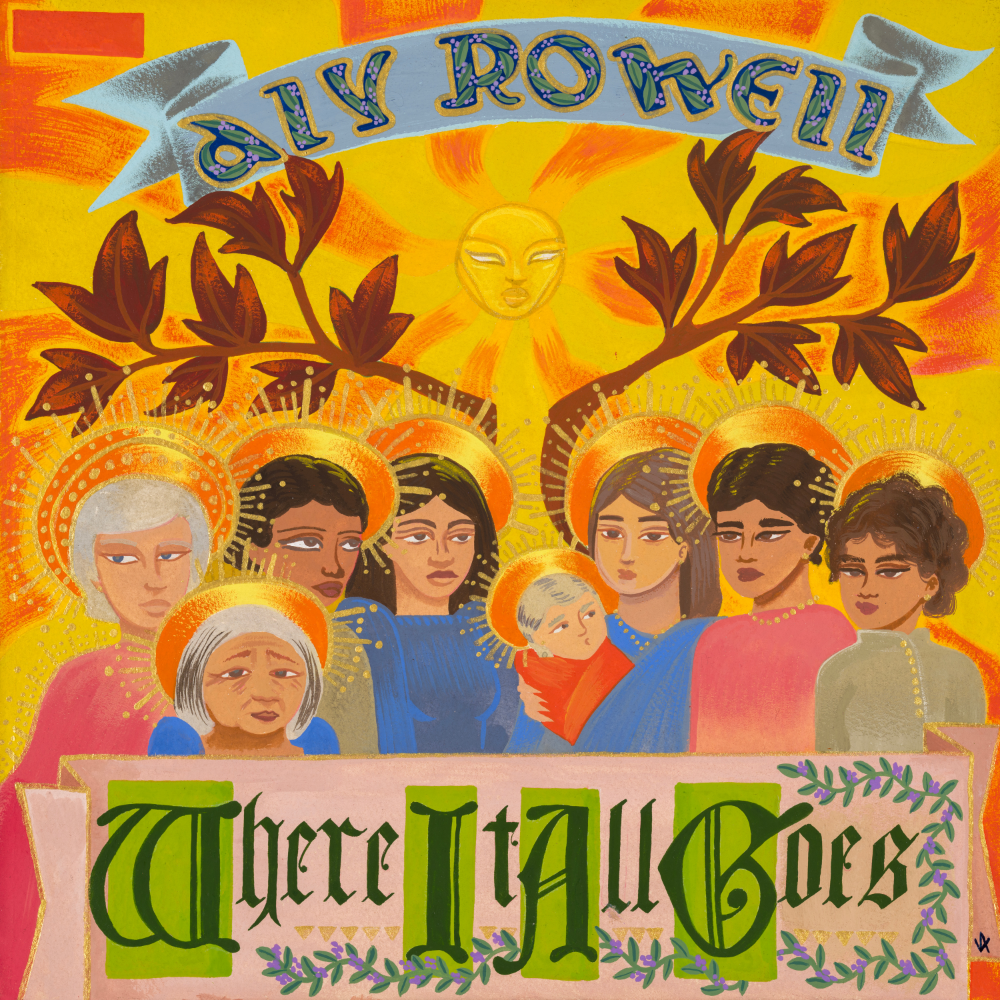
Using rougher indie textures to add abrasive qualities to a more finessed folkscape, Aly Rowell finds a wonderful creative collision point between the usual singer-songwriter troubadourism and the fun of the experimental indie kid. The title track opens by doing just that, creating an attractive first point of contact: a song that starts in more serene sonics and then slowly subverts itself as it spirals toward more anthemic heights.
‘Mother’s Daughter’ is a great showcase for Rowell’s gorgeous vocals, her voice both hazy and warm, delicate yet, when they need to be, expansive, as a piano delicately dances through a sound that is somehow both anthemic and ephemeral, like billowing clouds, impressive yet opaque.
‘Song of Sorrow’ shows that when she decides to stay in folkier realms, she makes them her own too, largely playing it straight before turning the form to her will, bending rather than breaking the rules as she heads for the finishing line. ‘Janie’ skirts country-pop but, as expected, with her own touches and traits to make the song suitably Rowell-esque – music hall piano lines and unexpected sonic changes of direction leaving their mark.
The album ends with ‘Time is a Life’, a surprisingly spacious track that gives us room to appreciate her voice as it joins Julianna Zachariou’s in a deft, delicate soundscape over a fairly simple, rhythmic guitar line.
What makes Where It All Goes work so well is that, for the most part, these are familiar-sounding folk and indie, occasionally even pop, infused songs, but it is the touches of sonic subversion, those unexpected additional sounds, often doing things that you didn’t expect them to be doing, that add more than enough freshness and adventure to the album.
Accessible songs with just enough of an experimental glint in their eye. Perfect.