
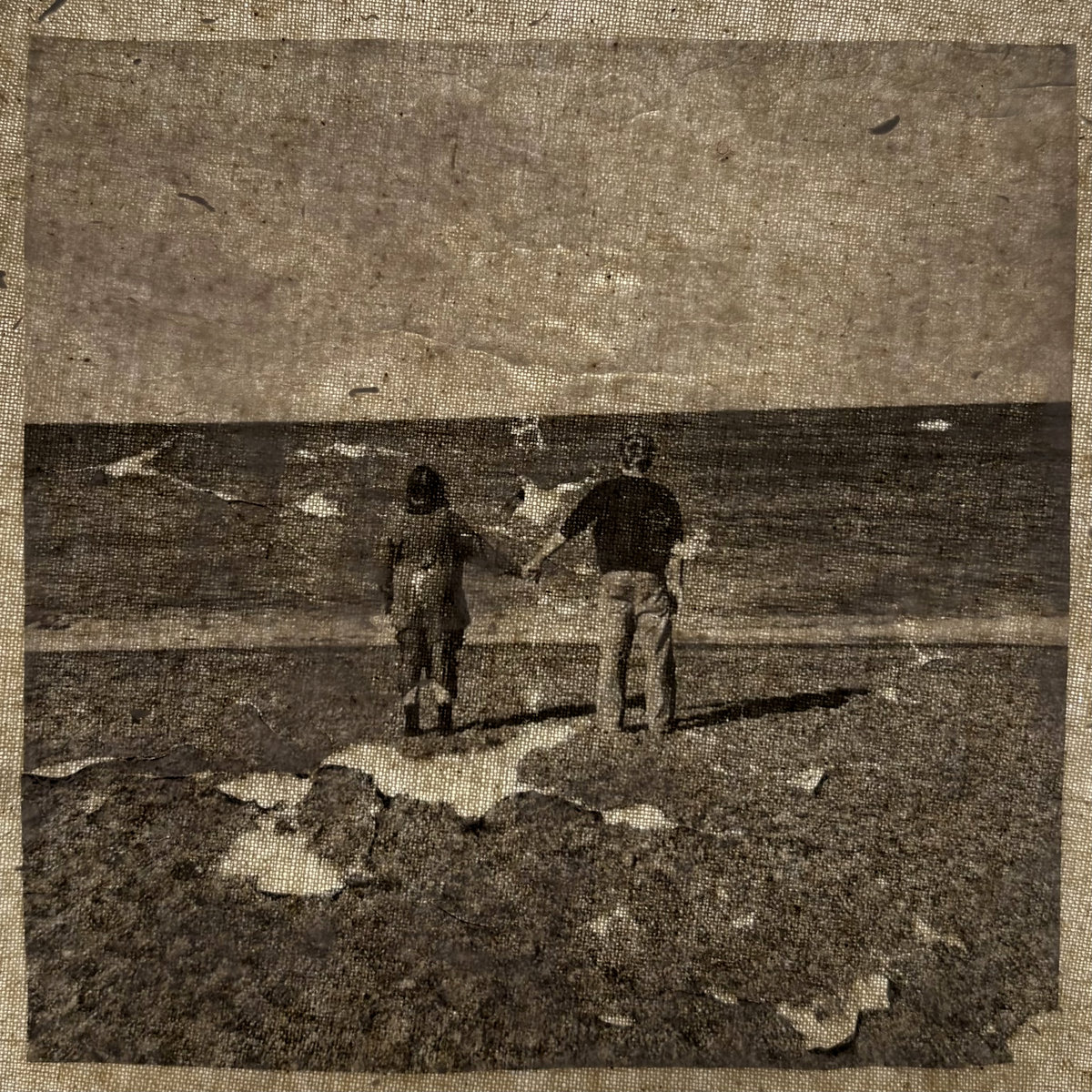
Ezra Williams’ “Blight” is a carefully drawn portrait of the complicated aftermath of a relationship that has left its mark. Rather than presenting separation as a clean moment of liberation, the single explores the strange emotional territory that follows when someone’s absence brings both grief and relief. Williams captures the contradictions of leaving behind a painful connection: the lingering awareness of what was lost alongside the growing recognition of what has been regained.
Built around intimate observation and restrained emotional force, “Blight” finds its power in the spaces between accusation and acceptance. Williams writes from a place of reflection rather than retaliation, examining the ways a person can remain psychologically present long after they have physically departed. The song’s central metaphor suggests something invasive and consuming, yet the writing never reduces the other person into a simple antagonist. Instead, it focuses on the internal experience of carrying a burden, questioning its weight, and eventually discovering the possibility of setting it down. The opening imagery of the single immediately establishes a sense of isolation and self-documentation. The act of writing notes becomes a way of preserving thoughts, memories, and reminders of an experience that once dominated daily life. Williams presents this process with remarkable sensitivity, capturing the unsettling feeling of being observed, judged, or defined by another person. The song examines how relationships can alter the way individuals perceive themselves, leaving behind echoes that continue even after the immediate circumstances have changed.
Musically, “Blight” reflects the emotional ambiguity at the heart of the writing. The arrangement allows vulnerability to remain exposed, avoiding unnecessary dramatic gestures in favor of a more personal and direct approach. Williams understands that quiet moments can carry immense emotional weight, and the production supports this philosophy by creating space around the vocal performance. Each element serves the song’s central idea: the gradual return of mental freedom after a period of emotional confinement. One of the single’s most compelling qualities is its refusal to portray healing as simple or immediate. Williams acknowledges that relief can coexist with sadness, and that missing someone does not necessarily mean wanting them back. The song recognizes the complicated reality of losing a presence that was both meaningful and damaging. This emotional duality gives the track its depth, allowing listeners to connect with the experience even if their own circumstances differ.
Silence is not presented as emptiness but as a newly discovered space, one where thoughts can exist without interference. Williams captures the subtle realization that peace can initially feel unfamiliar, especially after spending so much time adapting to another person’s expectations. The freedom described in the song is not dramatic; it arrives gradually, through the simple recognition that one’s own mind can finally exist without constant pressure. “Blight” also carries a striking sense of self-reclamation. The acknowledgment of being considered “too much” is reframed as evidence of individuality rather than failure. Williams challenges the idea that emotional intensity or personal complexity should be reduced to make relationships easier. Instead, the song suggests that being fully oneself may reveal incompatibility, but it can also become the foundation for a healthier understanding of personal worth.
Released as a standalone single, “Blight” demonstrates Ezra Williams’ ability to transform a specific emotional circumstance into something broadly recognizable. It is a thoughtful examination of what remains after a difficult connection ends. It understands that freedom is not always accompanied by celebration, and that moving forward often involves acknowledging the complicated mixture of attachment, hurt, gratitude, and relief. Ezra Williams turns a deeply personal situation into a resonant reflection on boundaries, self-preservation, and the quiet return to oneself. The song’s ability to find beauty not in the absence of pain, but in the moment when that pain no longer controls the shape of a life is its greatest accomplishment.
Visit Bandcamp” to learn more.