
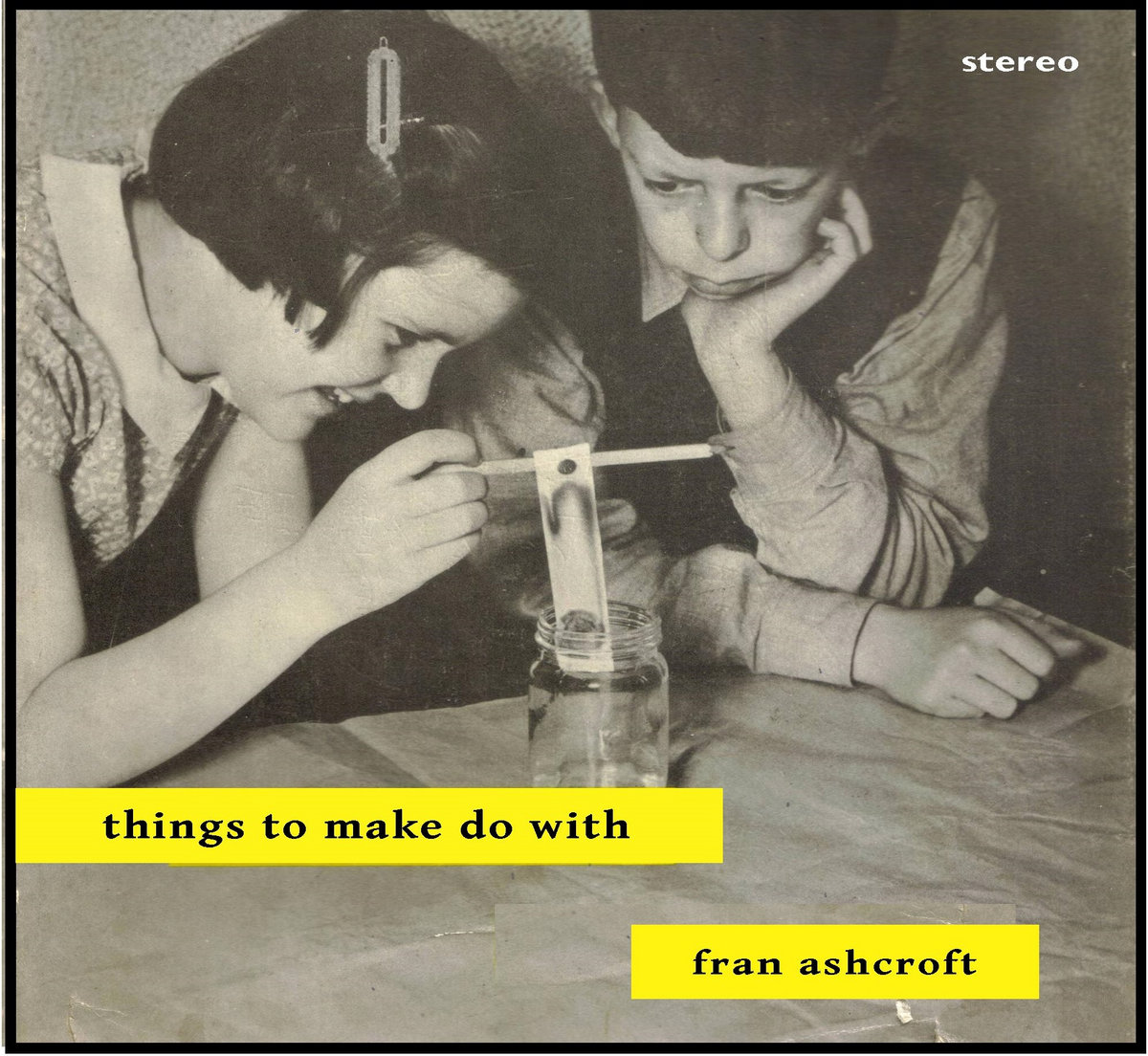
Perhaps in keeping with an album of largely understated, totally authentic, honest, personal-sounding and deeply meaningful songs, Fran Ashcroft has made a point of avoiding all the tricks of music PR: no big shiny promotion, no singles out there posing and parading for the potential audience, no marketing overload, enticements, or incentives…just an album of songs there for no other reason than for you, dear listener, to enjoy as you find them.
This attitude carries into the opening number, ‘The Singer or the Song.’ It might be bemoaning style over substance; however, a wider reading might suggest a broader, more general don’t shoot the messenger, message, that the problems in the world lie embedded far below the surface, and the people you blame may be symptoms, not the cause. I don’t know; there’s already much to discuss in such a short song. But either way, it’s a song so gentle and ephemeral that it feels on the verge of disappearing altogether. A beat, a distant, almost funereal organ, a whispered voice, and an understatement that feels like a sketched demo rather than a finished song.
‘That Girl in the Winter’ is ragged, willfully and wonderfully so, a reminder that melody and infectiousness can be found in the sparsest and most purposefully shonky of places, and even when things get more plugged in, as with ‘A Place in the Sun ‘, the electric buzz is somehow delicate and distant rather than dominating.
‘Truth, Love and Justice’ is bluesy and archaic, yet there is something in the sonic shards that shoot through that are strange and twisted, and something in Ashcroft’s voice, both quintessentially English and an echo of a 1920’s music hall, and all these juxtapositions make the song feel like it is from a time that never happened and a place that never truly existed. ‘Dixieland Revisited,’ similarly references a time and a place, but also feels as if that place has slipped into another dimension.
‘This Old Thing’ rounds off with a lovely blues groove, and like much found here, it feels like you are eavesdropping on someone’s private jam session rather than exploring a commercial release.
But that, of course, is the point. Ashcroft makes it clear he isn’t playing the game anymore; he’s jumped from the Titanic before it hits that lumbering iceberg. This is music just made for all the right reasons; rather than according to marketing meetings, it is stripped back, heart on sleeve, raw and real. No promotion, no pomp or pout, just something to take or leave and make your own mind up about. Music put out there without a lifeline—no cons, no tricks, no sass or hard sell. An album made as the Gods of Music intended!
This is anti-promotion, and it is even more engaging and seductive because of that attitude. This is the death of the music business, one non-conformist step at a time. This is the way forward. Get on board.
things to make do with isn’t just a cool and sideways-sounding grassroots album; it is a call to arms, a whispered rallying cry, a brick knocked out of the industry’s foundations. Who knew that seismic shifts could sound so quiet and yet speak volumes?