
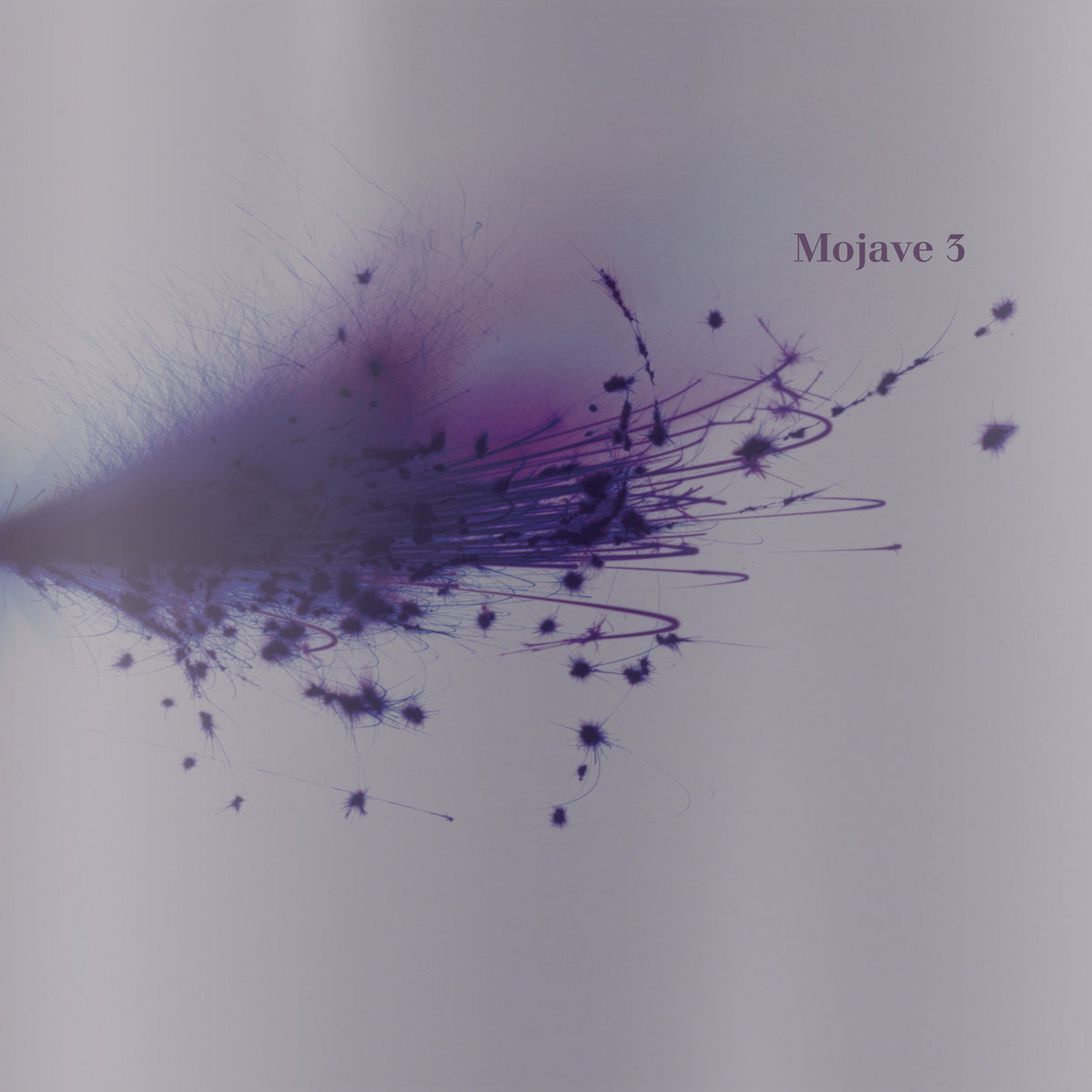
Some albums seem to arrive from outside prevailing fashions, carrying their own weather systems and asking listeners to meet them on different emotional terms. That was the quiet achievement of Mojave 3’s debut, ‘Ask Me Tomorrow’, first released in 1995. Emerging from the shimmering aftermath of Slowdive, Neil Halstead, Rachel Goswell and Ian McCutcheon made a creative decision that was almost startling in its restraint. Instead of amplifying the dreamlike textures that had defined their previous band, they embraced acoustic guitars, measured percussion and songs that trusted melody more than atmosphere. The 2026 remaster does not reinvent that statement; it sharpens its contours, allowing every carefully judged performance to reveal its understated sophistication with remarkable clarity.
The remaster highlights just how confidently the trio resisted the cultural momentum of mid-nineties Britpop. While louder contemporaries competed for immediacy and swagger, Mojave 3 pursued intimacy without slipping into sentimentality. Halstead’s songwriting draws from folk, country and slow-burning pop traditions, but never settles into simple imitation. Comparisons with Nick Drake, Bob Dylan or Cowboy Junkies have long accompanied the record, yet those touchstones only explain fragments of its identity. What makes ‘Ask Me Tomorrow’ enduring is its refusal to hurry. Every composition is comfortable, inhabiting silence as much as sound.
Opening with “Love Songs on the Radio,” the album introduces its aesthetic with deceptive ease. Halstead’s gently weathered vocal carries the melody with quiet assurance, while his guitar playing establishes a spacious harmonic landscape that seems to stretch beyond the confines of the recording itself. Rachel Goswell’s subtle vocal contributions soften the edges without overwhelming the central performance, creating harmonies that resemble distant memories surfacing rather than conventional backing vocals. Ian McCutcheon’s drumming deserves equal recognition here. His playing avoids unnecessary embellishment, providing pulse rather than spectacle, allowing the emotional architecture of the song to remain unobstructed.
“Sarah” refines that intimacy into something almost conversational. Halstead writes with remarkable economy, resisting lyrical excess in favor of suggestion. Every phrase appears carefully weighed, inviting listeners to fill the emotional spaces between the words. The newly restored sonic balance reveals details previously buried beneath the original mix, particularly the delicate interaction between acoustic guitar and understated rhythm section. What might once have sounded sparse now feels meticulously assembled.
With “Tomorrow’s Taken,” the record begins expanding its emotional vocabulary. The melody carries a gentle melancholy without surrendering to despair, while the arrangement demonstrates how effectively Mojave 3 could sustain long musical phrases through patience rather than dramatic shifts. McCutcheon’s restrained percussion gives the composition quiet momentum, and Goswell’s presence adds warmth that never competes with Halstead’s reflective delivery. The remaster exposes subtle tonal variations within the guitars, giving greater dimensionality to an already immersive performance. “Candle Song 3” remains one of the album’s defining achievements. Its measured pace becomes an artistic strength rather than an obstacle, allowing every instrumental gesture to resonate with unusual significance. Halstead’s guitar work possesses remarkable precision despite its apparent simplicity, each chord progression carrying emotional implications that exceed technical complexity. The song captures solitude without romanticizing isolation, presenting reflection as an active emotional process rather than passive melancholy.
The concise “You’re Beautiful” demonstrates another strength within Halstead’s songwriting: brevity without incompleteness. The song arrives, communicates its emotional truth with graceful efficiency and departs before overstaying its welcome. Goswell’s harmonies enrich the arrangement with quiet luminosity, while McCutcheon continues proving that tasteful understatement can be every bit as expressive as technical virtuosity. Midway through the album, “Where Is the Love” broadens the emotional perspective. Its lyrical questions resist easy conclusions, giving the song an enduring relevance that extends beyond its original context. Rather than offering declarations, Halstead constructs contemplative spaces where uncertainty itself becomes meaningful. The cleaner presentation afforded by the remaster enhances the natural resonance of the acoustic instrumentation, allowing subtle textures within the recording to emerge with fresh definition.
“After All” provides one of the album’s most affecting moments through remarkable compositional discipline. Every musical decision appears guided by emotional necessity rather than decorative ambition. Goswell’s contributions become especially significant here, her harmonies introducing quiet optimism without undermining the song’s reflective character. The chemistry between the three musicians has rarely sounded more complete, each performer instinctively recognizing when restraint communicates more effectively than elaboration. “Pictures” explores memory with striking emotional intelligence. Rather than indulging nostalgia, the song recognizes memory’s capacity to comfort while simultaneously reminding us of absence. Halstead avoids literary flourish, trusting simple language delivered with conviction. That confidence allows the emotional substance to resonate naturally. The remaster subtly expands the recording’s dynamic range, giving greater presence to instrumental nuances that deepen the composition’s reflective mood.
Closing with “Mercy,” Mojave 3 deliver a finale that resists conventional resolution. Instead of building towards dramatic catharsis, the song settles into acceptance, acknowledging that some emotional questions remain productively unanswered. Halstead’s vocals reaches one of its finest performances on the album, conveying vulnerability without theatricality. McCutcheon’s drumming anchors the performance with remarkable sensitivity, while Goswell’s harmonies gently illuminate the closing passages, bringing the album to a conclusion marked by quiet dignity rather than finality.
The greatest achievement of ‘Ask Me Tomorrow’ lies in its confidence to remain understated while communicating profound emotional complexity. The songs never ask for admiration through technical display or elaborate production. Their power emerges through careful writing, disciplined musicianship and unwavering belief in the expressive potential of simplicity. Halstead, Goswell and McCutcheon perform as collaborators whose individual strengths consistently serve the collective vision rather than personal prominence.
The remaster reinforces just how timeless those artistic choices have proven. Instead of polishing away the album’s intimacy, it reveals greater depth within performances that were already exceptional. Acoustic guitars possess richer harmonic detail, vocal harmonies occupy clearer space within the stereo image, and the rhythm section benefits from improved definition without sacrificing warmth. These enhancements never rewrite history; they simply allow listeners to appreciate the craftsmanship with greater immediacy. More than three decades after its original appearance, ‘Ask Me Tomorrow’ remains an extraordinary example of artistic conviction prevailing over fashion. Its songs continue to resonate because they are built upon emotional honesty rather than stylistic trends, and because Mojave 3 understood that quiet voices can leave the deepest impressions. The 2026 remaster serves not merely as an archival upgrade but as a compelling reminder that genuinely thoughtful songwriting never loses its capacity to move, console and illuminate.
Releases July 24, 2026
For more information or to pre-order, please visit 4AD | “Bandcamp“https://mojave3.bandcamp.com/album/ask-me-tomorrow-2026-remaster/