
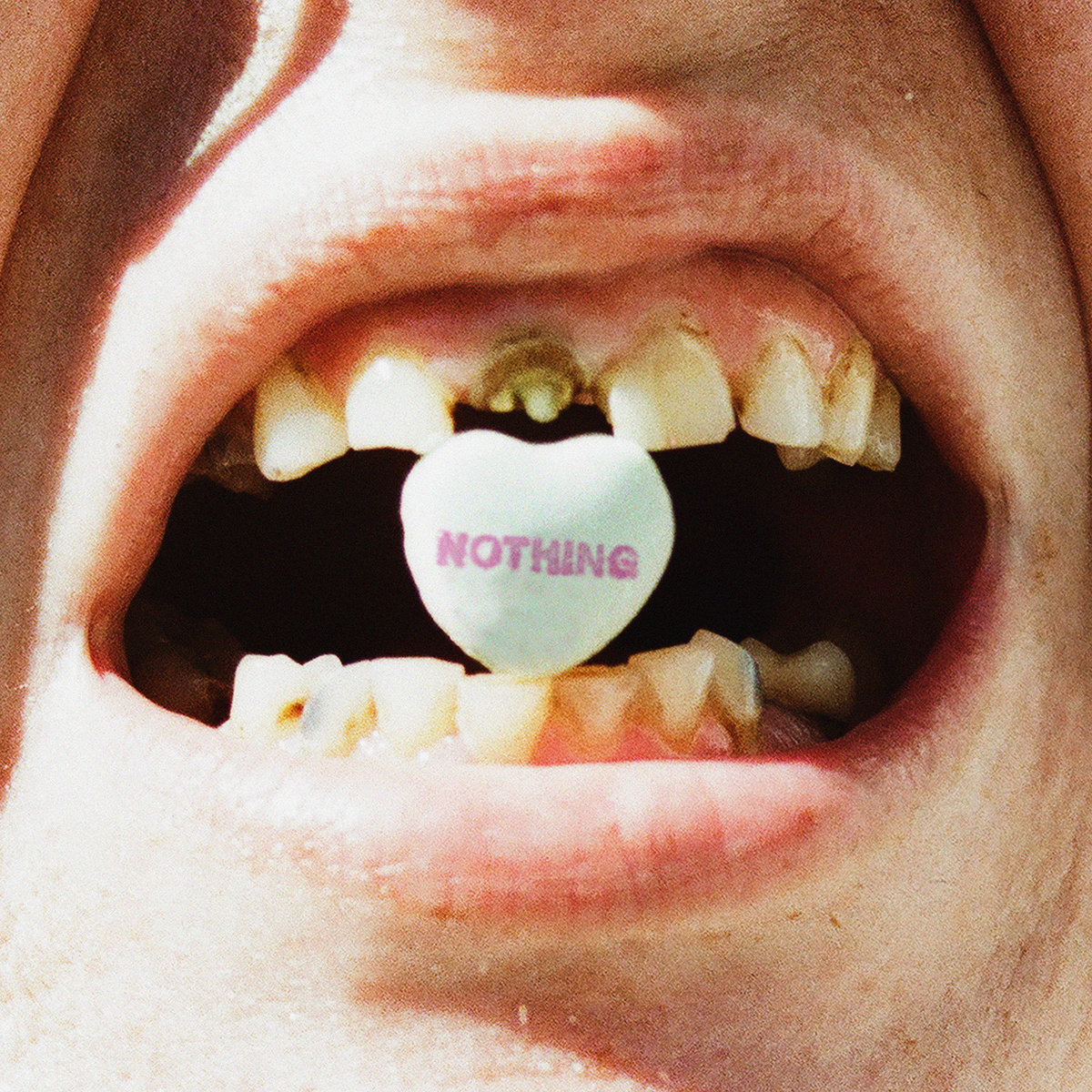
In the evolving (and in some instances, devolving), landscape of contemporary shoegaze, few entities have navigated the intersection of crushing weight and ethereal dissolution as masterfully as Nothing. With their fifth studio album, ‘A Short History of Decay,’ the collective spearheaded by Domenic “Nicky” Palermo has crafted a sonic treatise on the inevitable entropy of the human condition. For years, Palermo has asserted that his collective functions far beyond the constraints of standard artistic protocol. They exist as sonic outliers who have systematically dismantled a genre often dismissed as delicate, reconstructing it with a raw, visceral intensity that reflects a more brutal reality. While they have long been masters of translating crushing despair into sound, this release feels startlingly close, discarding the protective, echoing layers of their past for a stark, high-definition portrait of biological and psychological erosion.
This release serves as the conclusion to a thematic journey spanning over a decade, shifting the focus from the wreckage of the outside world toward a localized, biological crisis. This outing serves as a closing chapter by stripping away the heavy distortion that once acted as a shield. The architecture is noticeably denser, a result of a powerhouse lineup featuring Doyle Martin and Cam Smith (both of Cloakroom) lending a signature atmospheric grit, Bobb Bruno (Best Coast) providing a grounded low end, and Zachary Jones (Manslaughter 777, MSC) delivering a percussive performance that is both violent and surgical. Under the meticulous production of Nicholas Bassett and Palermo, with additional sonic sculpture by Sonny Diperri, the band has created an environment that feels both claustrophobic and infinite.
The journey begins with “never come never morning,” where the inclusion of Jesus Ricardo Ayub Chavira on brass adds a mournful weight. Here, Palermo finally dismantles the defensive perimeter he has spent years constructing. The lyrics serve as a visceral excavation of childhood trauma, unspooling memories of parental discord without the effects that previously obscured such meaning. This psychological admission transforms the song into a confession: the band’s aggression was never just a stylistic choice, but a byproduct of a life spent in perpetual combat. This vulnerability is immediately contrasted by “cannibal world,” where Jones’ industrial-tinged breakbeats collide with a frantic, mechanical rush. The engineering by Diperri, assisted by Chef Felipe Castaneda Aldana and Tyler Karmen, ensures that every frequency feels intentional, from the sharpest hiss to the deepest thud.
“a short history of decay,” serves as the spiritual heart of the record, a sprawling exercise in nihilism. It highlights a structural change where the group, assisted by mixing from Bassett and Zach Capittifenton, allows the listener to feel the air between the notes before it is sucked out by the next wave of feedback. This sense of space makes “the rain don’t care” feel like a weary, cinematic grace, anchored by a melodic resignation.
The record reaches an avant-garde peak with “purple strings,” which introduces a baroque elegance. Mary Lattimore’s harp dances through a somber arrangement of Jason Adams on cello and Camille Getz on violin, creating a tapestry that feels like a funeral for the self. In earlier recordings, a slow song might have felt like a temporary reprieve; here, because the entire record is grounded in a steady, crushing tide, this track feels like an exhausted surrender. This delicacy is repeatedly shattered by “toothless coal,” a cataclysmic exercise that emphasizes the grinding weight of time. The addition of Martin and Smith brings a slow gravity that embraces a more deliberate pace, mirroring a body finally slowing down after years of exhaustion.
This carries into “ballet of the traitor,” which utilizes the three-guitar attack to create a dizzying, revolving door of melodies, and “nerve scales,” which adopts a rhythmic precision and mortal atmosphere. The technical polish provided by Stephen Marcussen’s mastering ensures that even at its most chaotic, the record retains a high-definition clarity. By the time the album reaches its conclusion with “essential tremors,” the metaphor of decay has become literal. The spartan progression highlights the subtle, physical flutter in Palermo’s voice, a direct confrontation with a neurological condition that causes uncontrollable shaking.
The narrative arc concludes by shifting from the ghosts of the past to the failing mechanics of the present. When Palermo sings about the weight of his own history, he is documenting the exact moment where his lifestyle and his lineage collide. Rather than masking this degradation, he leaves it exposed, transforming a medical reality into a haunting piece of art. ‘A Short History of Decay’ does not offer the comfort of a graceful exit; instead, it provides panoramic documentation of what it means to fall apart in real-time, shedding the dense fog of the past to reveal the raw nerves underneath.
Learn more by visiting: Nothing | Run For Cover Records | Bandcamp | Youtube | Instagram | Facebook