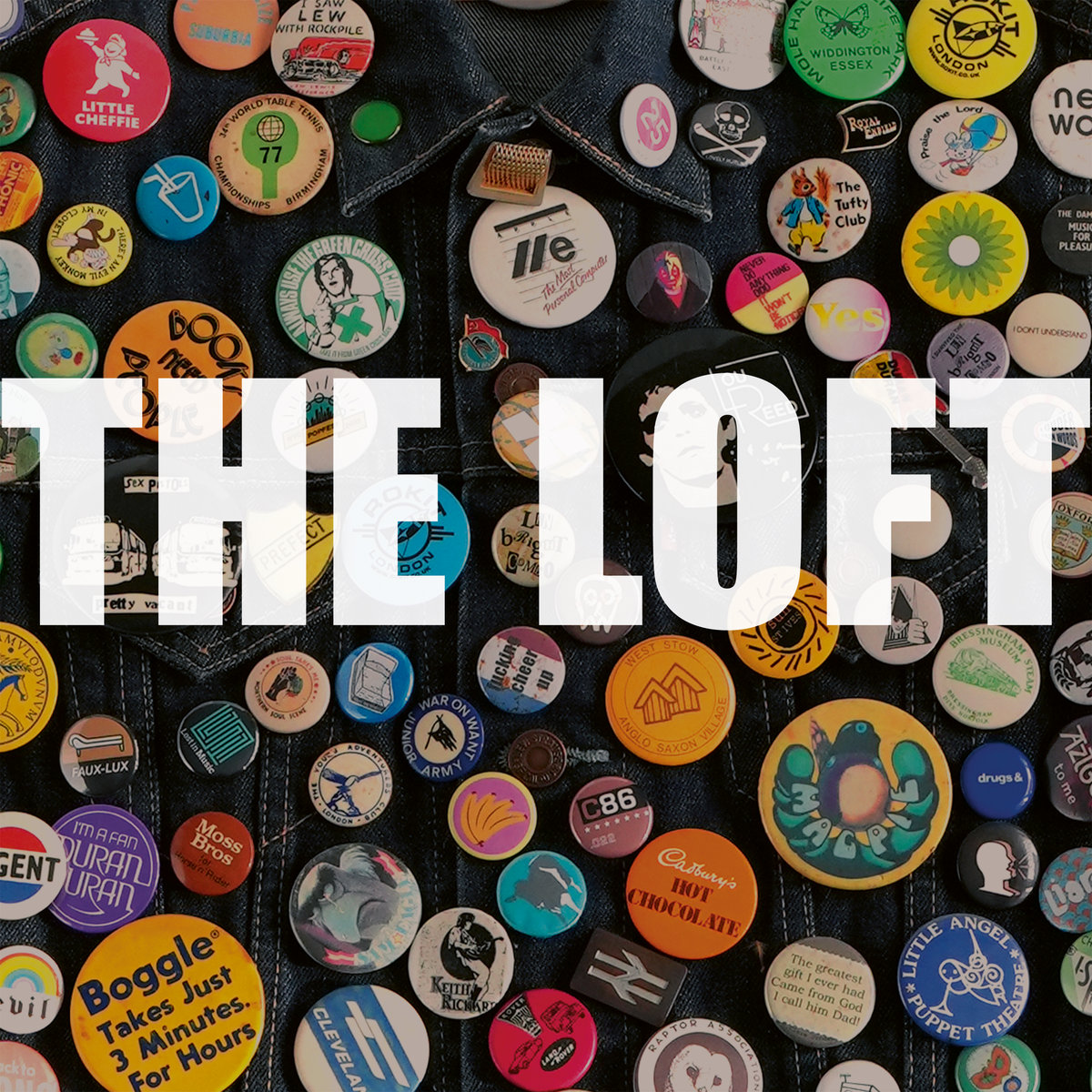
Four decades after their famously combustible collapse at the Hammersmith Palais, The Loft have reached a point that few bands from the first flowering of British indie ever attain: perspective without calcification. ‘Badge’ carries the unmistakable DNA of the group that helped shape the earliest Creation Records identity, yet it refuses the museum-piece instincts that so often accompany reunions. Pete Astor, Andy Strickland, Dave Morgan and Bill Prince sound neither nostalgic nor eager to modernize themselves into irrelevance. Instead, they inhabit a rarer space: musicians entirely comfortable with the accumulated weight of their own history, but unwilling to become trapped beneath it.
That confidence radiates from the opening seconds of “Happenstance,” which establishes the album’s emotional grammar with deceptive modesty. Sean Read’s production never pushes the band toward grandeur. The arrangements are lean, dry-eyed and human-scaled, allowing Astor’s songwriting to operate through implication rather than proclamation. His voice has matured into something especially compelling here; less concerned with youthful urgency than with observation, memory and the small absurdities that accumulate around ordinary lives. The years have not diminished his melodic instinct. If anything, they have sharpened his understanding of restraint.
“Sad Comedian” balances wit and melancholy with unusual delicacy. Astor has always possessed an underrated ability to write about disappointment without romanticizing it, and the song’s brisk melodic sweep prevents its introspection from collapsing into self-pity. Strickland’s guitar work is especially effective here, threading bright, chiming figures through Morgan and Prince’s understated rhythm section. The playing throughout the record is remarkably conversational. Nothing fights for dominance; each musician appears to understand precisely how much space a song requires.
One of the album’s most striking qualities is its refusal to dramatize maturity. “Campervan” could easily have become a whimsical exercise in aging indie nostalgia, but The Loft avoid sentimentality by grounding the song in movement and ambiguity. Its portrait of transient escape feels knowingly temporary, almost amused by its own romantic impulses. The band’s chemistry gives the material an elasticity that many younger groups spend entire careers chasing.
“1955” stands among the album’s finest achievements, not because it attempts epic significance, but because of how effortlessly it evokes emotional displacement. Astor writes with the confidence of someone who no longer needs to underline meaning in thick ink. Fragments of longing, cultural memory and passing time drift through the song without ever resolving into a neat thesis. Read’s production captures the group with admirable clarity, allowing subtle details to emerge naturally: Prince’s measured bass movement, the slight roughness in the guitar tone, the rhythm section’s refusal to overstate momentum.
“Beautiful Problem” demonstrates how effectively The Loft can compress emotional contradiction into concise guitar pop. The song pivots on a familiar indie-pop premise, attraction entangled with frustration, but the band approach it with enough intelligence to avoid cliché. Astor’s phrasing remains conversational even when the melodies soar, preserving the intimacy that has always distinguished his writing from more theatrical contemporaries.
The emotional centre of ‘Badge’ may well be “Ex-Lovers And Long Lost Brothers,” a song that reflects on fractured relationships without indulging in reconciliation fantasy. Few bands from The Loft’s generation can write about maturing friendships with this degree of candor. The lyrics seem informed not merely by passing time, but by genuine negotiation between people who have survived disillusionment together. Knowing the group’s own history inevitably deepens the resonance, though the song succeeds independently of biographical context.
“Goodbye Saturday Night” carries traces of the wistful urban romanticism that once defined so much British independent music, yet the band refuse to recreate the past wholesale. Instead, they examine the emotional residue left behind by scenes, rituals and identities that no longer fit quite so comfortably. Morgan’s drumming deserves particular praise throughout this stretch of the album. His playing remains economical but deeply expressive, steering the songs without ever crowding them. The title “C’Mon Let’s Hear It For The Now” suggests exuberance, but the song itself is more nuanced than celebratory sloganeering might imply. Rather than presenting the present moment as liberation, The Loft treat it as something negotiated daily; imperfect, unstable, but still preferable to paralysis through retrospection. That distinction matters. Much of ‘Badge’ concerns acceptance without surrender, and the band articulate that balance with unusual maturity.
“Junk Shop” introduces a slightly scruffier energy, reconnecting with the band’s formative DIY sensibility while sidestepping retro fetishism. The Loft remain deeply tied to the aesthetics they helped pioneer, but they no longer sound interested in defending indie orthodoxy. The looseness here feels earned rather than affected, the product of musicians who trust instinct over polish.
Closing track “Rob Rides The Sunset” provides a quietly moving conclusion. Rather than ending with dramatic finality, the album departs with a sense of continued motion, as though these songs represent another chapter rather than a comeback narrative seeking closure. Astor’s songwriting throughout the record consistently rejects neat endings. Lives continue, friendships fracture and reform, memories distort, and music persists anyway.
What makes ‘Badge’ especially compelling is the absence of desperation within it. Many reunion-era records carry the burden of justification, either straining to recreate vanished youth or aggressively distancing themselves from it. The Loft avoid both traps. This album neither apologises for the past nor exploits it. The band sound liberated by the simple fact that they are still capable of making thoughtful, melodic, emotionally articulate music together.
The chemistry between Astor and Strickland forms the album’s creative backbone, particularly given their renewed collaborative writing partnership, but Morgan and Prince are equally essential to the record’s quiet authority. No performance here seeks individual spotlight. The collective identity matters more than virtuosity, and that democratic spirit gives ‘Badge’ its uncommon warmth. Read’s production deserves recognition for understanding exactly what kind of record this needed to be. He resists contemporary excess and avoids coating the songs in reverential vintage gloss. The result is an album that sounds immediate without sounding fashionable. That distinction is crucial. ‘Badge’ succeeds because it trusts songwriting, musicianship and emotional intelligence more than stylistic signaling.
The Loft once embodied the beautiful instability of early independent music: idealistic, combustible, romantic and fragile. ‘Badge’ revisits those qualities from the vantage point of experience rather than youthful volatility. It is not the sound of a band attempting to relive its beginnings. It is the sound of musicians discovering that survival itself can become a form of artistic evolution.
Learn more by visiting Tapete Records | Bandcamp | Facebook