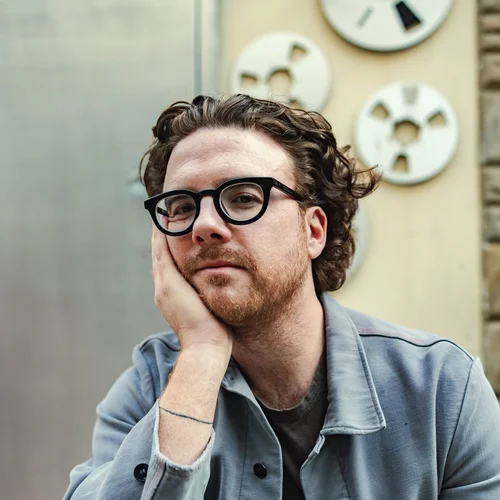
With his latest album Long Live the Low now out, a tour lined up, and memories of sharing stages with some iconic names still lodged firmly in his memory, I sat down with Sean Keily to learn more about him, his music, and what the future might hold.
Hi Sean, can we start with a bit of background? How did you get started in music, and what has your path looked like to get you where you are today?
Hey, thanks. I got kinda captured by music when I was nine or so, and it’s still got me. I played a bunch of music in bands and in the music program in high school, and then wound up going to a school with a great jazz program (William Paterson University), but didn’t actually study music there. I couldn’t get into the jazz school, so I studied poetry instead. But I still hung around the music school, played in rock bands, and made some lifelong friends and collaborators. Anyway, at some point the music and the poetry things merged, and I got captured all over again by songwriting.
In addition to songwriting and producing my own records, I perform a lot in the folk and bluegrass world as both a bandleader and a sideperson on guitar. I also teach young people, and do musical work with adults with developmental disabilities.
How would you describe the music that you make, and who are some of the people you consider important influences, both musical and otherwise?
Well, I’m definitely interested in making things that sound pretty, first of all. The lyrics do a lot of work in my songs. I’ve been paying more and more attention to rhythm and time recently. In the past, I’ve focused on harmony/chords and melody, but nothing sounds that good if it’s not played at the right time.
My work is influenced by a wide range of artists, including my earliest favourites, the Grateful Dead and The Beatles. Also Leonard Cohen, Pavement, Gillian Welch, Blake Mills. Radiohead, Bill Frisell, Sam Amidon, Joanna Newsom, Bill Callahan. Wes Anderson & the Coen Brothers. John Ashbery & Raymond Carver. My friends and the other musicians who played on this record are important influences.
Your new album, Long Live the Low, has just dropped. What can people expect from it, and what common themes and messages run through the songs?
There are a few new themes that have appeared on this one. There are bugs everywhere, for one. Moths, butterflies, bees, and lanternflies. It just kind of happened, don’t ask me. There’s weeds and earth. The low! My last record was about a divorce (total wipeout), but this one’s about a different sort of heartbreak.
I had settled down and gotten married so young (in my early-to-mid 20s), so getting dropped into the dating world at nearly 40 was a trip. I’ve had some relational experiences that most people typically go through earlier in life. Falling in love with someone at the wrong time and place. Being in love with someone else, but recognising you can’t give or get what you need. It’s been interesting to experience it this way. Some of this record is trying to decipher or square away things that didn’t make a lot of sense to me when they happened.
The songs helped me figure out how to accept things that were initially unwelcome, but opened up paths that wound up being right. So there’s a journey of trying to make sense, and then by the end of the record I give up on trying to understand so much.
Who else is in the band, and what does each person bring to it, both musically and in less tangible ways?
Bill Campbell plays drums. He’s on both this record and the last one. Bill’s one of my favourite musicians. He’s really interested in songs, and everything he plays is in service of making the song come across. I can say that about everyone who worked on the record. Chris Parker plays electric guitar. His imagination is so aligned with my own, but he’s also inventive and finds things I didn’t know were there. He’s a dreamy, creative musician. Bobby Hawk put beautiful flourishes on everything with his strings. Jean Rohe, Jeff Taylor, and Kaia Kater all sing on this record. They’re my song and singing heroes, and my friends.
Chris Morrissey plays bass on the album. He’s an inventive, incredible songwriter, but he also does all this state-of-the-art work as a jazz bassist and as a music director/arranger in the pop/rock world. He’s in this band called Rich Hinman vs Adam Levy, and I had been listening to this song by them called “Maraba Blue” on repeat, and I remember thinking that was exactly what I wanted on this next batch of songs.
Maybe that very same week he wound up at a house concert I was playing, sitting four feet in front of me while I played my songs solo in a living room. (It was kinda intense!) I thought, well, if I want that bass, why don’t I ask that person? And he said yes. Chris and I have known each other for a while, but had never played music together before the actual day of the first session. Pretty cool that it got captured.
Where did you record it, who else was involved, and what was the experience like?
Lorenzo Wolff recorded it at his studio, Restoration Sound, in Brooklyn. I love working with Lorenzo because he’s very positive but also plainly honest. You can trust him. He keeps the process moving. I have a lot of respect for him, and everything I’ve worked on with him just comes out sounding right and feeling good. We worked very quickly and did about 80% of the record in a day and a half. I don’t think any song had more than five or six takes. It was really a dream session. Everyone came out of it inspired and feeling like they got to be themselves.
After those sessions, I spent a little time working on overdubs at home, receiving contributions remotely from Bobby Hawk, Jean Rohe, Jeff Taylor, and Kaia Kater, and then editing the record.
Adam Brisbin, another inspiring guitarist and also a wonderful engineer, mixed the album right around the holidays last year. Nate Wood mastered it just after New Year’s, and that’s how the record got made!
You’ve shared the stage with some pretty cool acts, not least Iron & Wine and a personal icon to me, Richard Thompson. What were those experiences like, and what lessons did you learn from such stalwarts?
Those were two dream gigs. I still can’t believe they happened. The songs of Iron & Wine (Sam Beam) made their way into my head in my early 20s and pushed me towards playing acoustic music & writing songs informed by the structure and precision of written poetry. Meeting him and playing before him was super sweet. He was down to earth and generous. I’m pretty sure I misunderstood the green room assignments and wound up sitting with him for maybe a bit longer than he had bargained for, but he talked to me and indulged a little bit of fanboying. Sorry, Sam.
The Richard Thompson show was at the largest venue I’ve ever played, White Eagle Hall, so that was something. His audience was so attentive and ready to hear songs. Despite the size, it felt like one of the most intimate shows I’ve ever played. I didn’t find Richard’s music until I was a little bit older, but it’s had a profound effect on me. Richard was also very kind and welcoming, if a little bit more reserved than Sam Beam. I did get to meet him briefly after the show, and managed to not invade his space.
Everything I’ve learned through those two artists came through their songs. They’re both restless and forward-looking, and seem to be allergic to repeating themselves. I love them. I’ll never forget meeting them.
Will you be touring the album, and if so, where are you looking forward to playing, maybe new venues and towns as well as old haunts?
I’ll be celebrating the release with a big show at the Jalopy Theatre in Brooklyn on 10/21. I’ve played Jalopy before, and I frequent it all the time as a fan. It’s at the centre of the Brooklyn folk music scene. In November, I’ll go on a solo tour through the Northeast opening for the dobroist and singer-songwriter Abbie Gardner. Some plans are coming together for more touring in the winter and spring, but I’ll also be playing more local shows around Brooklyn, Manhattan, and Jersey City, like I’ve been doing for the last 15 years.
Finally, what does the future hold for you, and perhaps what would you like it to bring you?
Hard to say. If you’d asked me 2 years ago what the future held for me, I wouldn’t have been able to name what wound up happening with any accuracy at all.
I have some hopes, even though this record is in a lot of ways about trying to be hope-less. I’d love it if this body of work finds some new ears, and I’d love to travel more with it. I’d like to play Ireland. And finally, I’d like to figure out how to keep my home and studio space tidy.
Thank you for giving me a guided tour around your musical world. Best of luck with the album, the tour and whatever happens next.
Website
Instagram
Bandcamp
Facebook