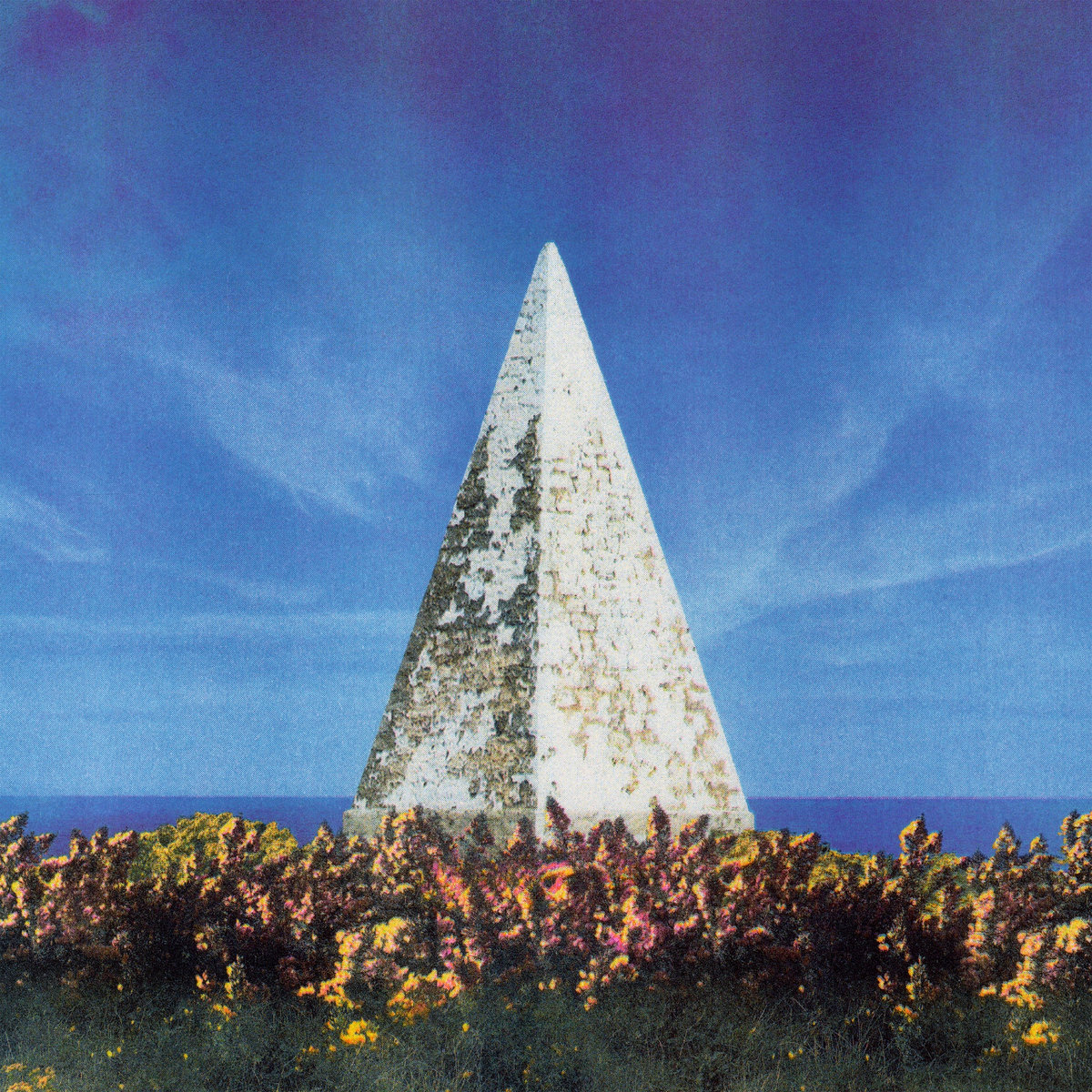
With ‘Holy Island,’ Sister Ray Davies presents a debut album that feels less like a starting point and more like the articulation of a long-forming vision. Rooted in atmosphere and guided by an intuitive sense of place, the record emerges as a slow, immersive journey shaped by memory, geography, and emotional resonance. Released on Sonic Cathedral, ‘Holy Island’ draws from shoegaze and ambient traditions without becoming beholden to them, instead carving out a sound that feels both reverent and exploratory.
The album opens with “Lindisfarne,” a track that functions as an invocation rather than a conventional introduction. Its drifting textures and patient pacing establish a sense of quiet arrival, as if the listener is being led across a threshold. “Iona” follows with a more assertive pulse, layering chiming guitars over a steady rhythmic undercurrent that suggests movement through open space. There is a careful balance here between propulsion and restraint, a dynamic that becomes central to the album’s emotional language.
On “Aidan,” melody comes into sharper focus, softened by understated backing vocals that add warmth without diminishing the song’s reflective tone. The interplay between light and density continues on “Big Ships,” where expansive guitar lines swell and recede like tides, evoking both distance and longing. The title track acts as a brief moment of stillness within the sequence, a pause that allows the album’s themes to breathe before pressing forward.
“Rowans” introduces a subtle lift in mood, its forward momentum carrying a sense of optimism that never feels overstated. This sense of elevation is tempered by “Nave,” a more inward-looking piece that returns the listener to a more contemplative mood. One of the album’s most compelling passages arrives with “Cloisters,” an instrumental that foregrounds texture and space, allowing reverberation and repetition to create a feeling of architectural scale. The track feels almost physical, as though sound itself were shaping the room around it.
The closing track, “Morning Bell,” brings the album to a measured and deeply affecting conclusion. Slowly building, it gathers emotional weight through repetition and gradual expansion, ending the record not with resolution but with quiet clarity. It is a finale that underscores the notion that good things come to those who wait. It trusts the listener to sit with its lingering atmosphere rather than rushing toward closure.
At the core of ‘Holy Island’ is the partnership between Adam Morrow and Jamie Sego, who write, perform, produce, and engineer the album themselves. Their collaborative approach lends the record a remarkable cohesion, with guitars, bass, synths, and rhythmic elements interwoven in a way that feels organic and deliberate. Additional backing vocals from Natalie Morrow add a softness to the album’s more expansive moments, subtly reinforcing its emotional depth and strength.
What makes ‘Holy Island’ so compelling is its refusal to overstate its intentions. Sister Ray Davies allows mood, texture, and pacing to do the heavy lifting, creating a record that rewards attention and repeated listening. Rather than offering narrative certainty, the album invites reflection, positioning itself as a space to inhabit rather than a statement to decode. In doing so, ‘Holy Island’ is a striking and assured debut, one that feels timeless in its restraint and quietly ambitious in its scope.
Learn more by visiting: Bandcamp | Sonic Cathedral | Instagram | TikTok