
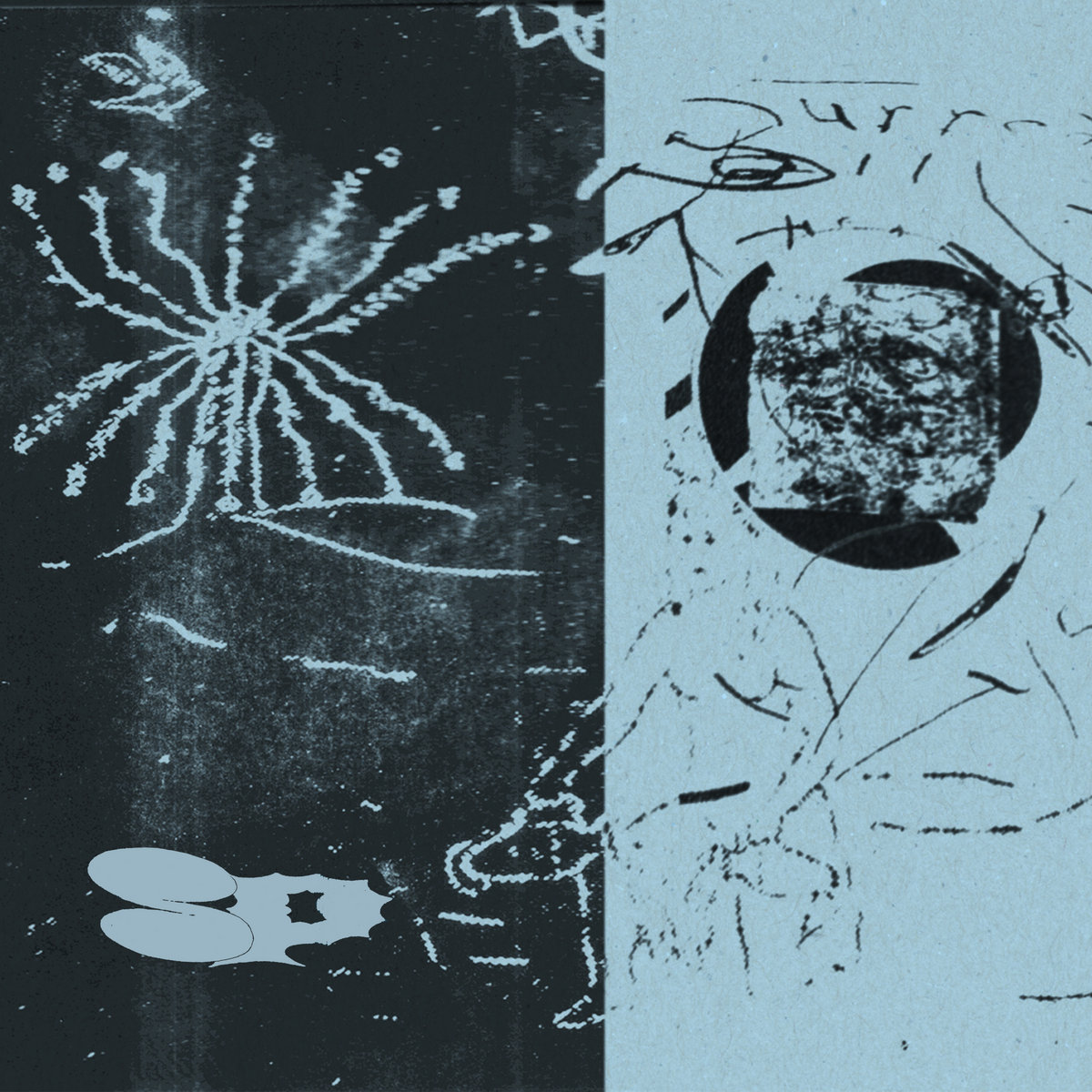
Surrealistic Pillhead’s ‘Crush the Pill’ thrives on contradiction. It is simultaneously hyperactive and detached, absurd and emotionally incisive, chemically fried yet startlingly lucid about the psychic exhaustion of contemporary life. Across six brief tracks, the band constructs a world where overstimulation becomes its own emotional weather system, where intimacy arrives filtered through irony, medication, digital static, urban alienation, and strange flashes of sincerity that emerge before you fully realize they were there. The EP does not attempt cohesion in the traditional sense. Instead, it embraces fragmentation as the defining emotional condition of modern consciousness.
What makes ‘Crush the Pill’ compelling is its refusal to romanticize instability even as it channels manic creative energy. Surrealistic Pillhead understand that overstimulation has become cultural baseline rather than deviation. Their music captures the peculiar psychological rhythm of living in constant interruption: half-finished thoughts, emotional evasions disguised as jokes, delayed responses, compulsive consumption, and fleeting moments of startling self-awareness breaking through the noise. The band filters these experiences through a sonic vocabulary that ricochets between folk-rock melodicism, blown-out garage punk, warped synth textures, and tape-saturated experimentation without sounding academically referential. They are less interested in reviving old genres than in cannibalizing them for emotional texture.
The brief “Intro” establishes the EP’s atmosphere immediately. In under a minute, Surrealistic Pillhead creates the sensation of entering somebody else’s unstable mental transmission mid-thought. Synth fragments smear across distorted guitar tones while samples flicker through the mix like overheard conversations from adjacent apartments. Trish Quigley’s mix work is essential throughout the EP because she allows the chaos to remain volatile without collapsing into incomprehensibility. Every sound feels slightly overdriven, but carefully so. “Melt” explodes outward with wiry momentum and emotional disorientation. Greg Cordera’s vocal delivery is especially effective because it never commits fully to either detachment or emotional collapse. He sings like someone trying to remain composed while internally spiraling at impossible speed. Ian Corrigan and Alex Karaba’s guitars slash through the arrangement with nervous brightness while Hart Seely’s bass keeps the song anchored just enough to prevent total derailment. Gavin Perez-Canto’s drumming deserves enormous credit here; his playing gives the track a restless propulsion that mirrors rapid cycling thought patterns without sounding mechanically frantic.
The centerpiece of the EP, “Who Controls the Time?” stretches outward into something stranger and more philosophically unsettled. Beneath its warped punk exterior lies a genuinely probing meditation on agency and perception under contemporary technological life. Time throughout the song feels distorted, fragmented, difficult to trust. The arrangement constantly shifts shape, moving between moments of melodic clarity and passages where synthesizers and samples seem to dissolve the song from within. Corrigan and Cordera’s synth work creates an atmosphere of dissociation that perfectly complements the lyrical unease. Yet despite its conceptual ambition, the track never loses its raw immediacy. Surrealistic Pillhead are too instinctive as musicians to become trapped in abstraction.
“Chaos Stone” condenses the EP’s emotional philosophy into two-and-a-half minutes of beautifully unstable rock music. The song approaches chaos not as temporary disruption, but as permanent roommate — an economic, emotional, and psychological force that shapes daily existence. Cordera’s lyrics carry a sly humor that prevents the song from collapsing into nihilism. Surrealistic Pillhead consistently understand that absurdity and despair often occupy the same emotional register. The guitars here are particularly sharp, alternating between brittle punk abrasion and oddly graceful melodic fragments. “No Matches” strips the EP back slightly without sacrificing its nervous energy. The track captures the emotional deadening of overstimulation with unsettling precision. People drift through the song disconnected from themselves and each other, searching for ignition while already emotionally burnt out. Seely’s bass work becomes especially important here, grounding the arrangement in a thick pulse that contrasts effectively with the fractured guitars and drifting synth textures. Perez-Canto’s drumming remains loose and instinctive throughout, resisting rigid precision in favor of emotional responsiveness.
“Orange Cap Daydream” closes the EP in a haze of chemically altered melancholy and surreal humor. The song’s imagery evokes pharmaceutical rituals, convenience-store intimacy, fluorescent loneliness, and fleeting moments of tenderness experienced through emotional exhaustion. Yet Surrealistic Pillhead never approach these themes with detached cynicism. Even at their most sarcastic, the band remains deeply invested in the fragile humanity beneath the absurdity. The arrangement drifts between woozy folk-rock melody and distorted electronic haze, creating the sensation of consciousness slipping gradually sideways rather than collapsing outright. One of the most fascinating aspects of ‘Crush the Pill’ is how effectively it captures the emotional texture of contemporary overstimulation without sounding didactic or conceptually overdetermined. Many records about digital alienation or psychic fragmentation become trapped inside their own commentary, too eager to diagnose modern life to actually evoke it. Surrealistic Pillhead avoid that mistake by grounding everything in physical sensation and emotional immediacy. These songs do not lecture about dissociation; they inhabit it.
The band’s sonic eclecticism plays a crucial role in that achievement. Folk-rock influences drift through the EP like distorted memories of communal music traditions, while punk elements inject volatility and refusal. The synthesizers and samples introduced by Corrigan and Cordera destabilize everything further, blurring distinctions between organic performance and psychological noise. Tape mastering by Will Killingsworth gives the record a beautifully saturated atmosphere that enhances its sense of warped intimacy. Every sound feels slightly overheated, slightly chemically altered, perfectly suited to the emotional terrain the EP explores. Cordera emerges as a particularly compelling frontman because he understands how humor can function simultaneously as defense mechanism and emotional revelation. His performances throughout the record balance absurdity against genuine vulnerability with remarkable instinct. Meanwhile, Corrigan and Karaba’s guitars consistently avoid predictable rock gestures, instead creating textures that feel emotionally frayed without becoming self-consciously experimental.
At its core, ‘Crush the Pill’ is a record about people attempting to maintain coherence while absorbing impossible amounts of emotional, chemical, technological, and social static. It understands modern consciousness as fragmented not because people are weak or distracted, but because contemporary life increasingly conditions emotional fragmentation as normal operating procedure. Surrealistic Pillhead transform that realization into music that is funny, disorienting, strangely moving, and deeply alive. The EP’s greatest accomplishment may be its refusal to separate chaos from tenderness. Beneath all the saturation, sarcasm, and manic energy lies a profound curiosity about how people continue connecting with one another despite exhaustion and emotional overload. ‘Crush the Pill’ captures that uneasy balance with uncommon intelligence, crafting a record that sounds simultaneously overwhelmed by modern life and defiantly energized by the possibility of surviving it together.
Visit Bandcamp | Plain of Jars Records to learn more.