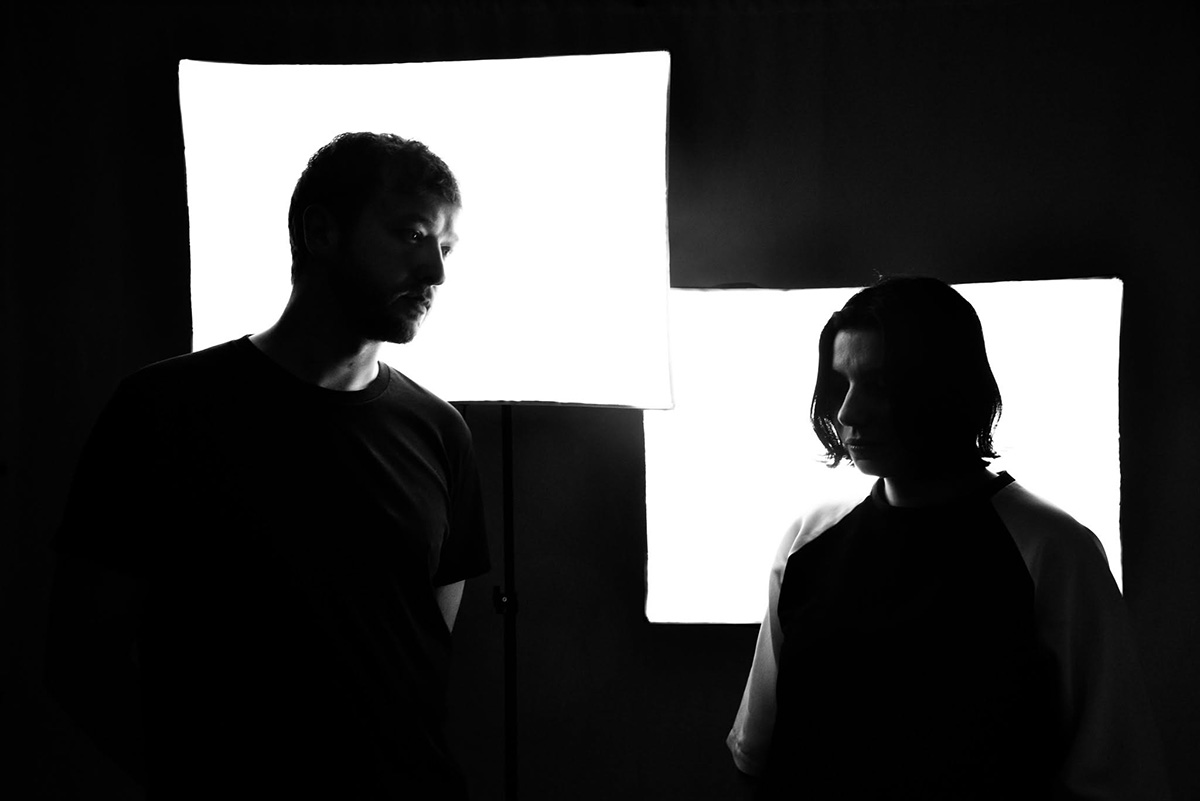
“We dug deep for this EP and pushed ourselves and our musicianship to make something we are genuinely proud of. It includes some of the rawest and most angular music either of us have ever written and we really love the direction it’s taking.” -Holly Carter (Weather Happy)
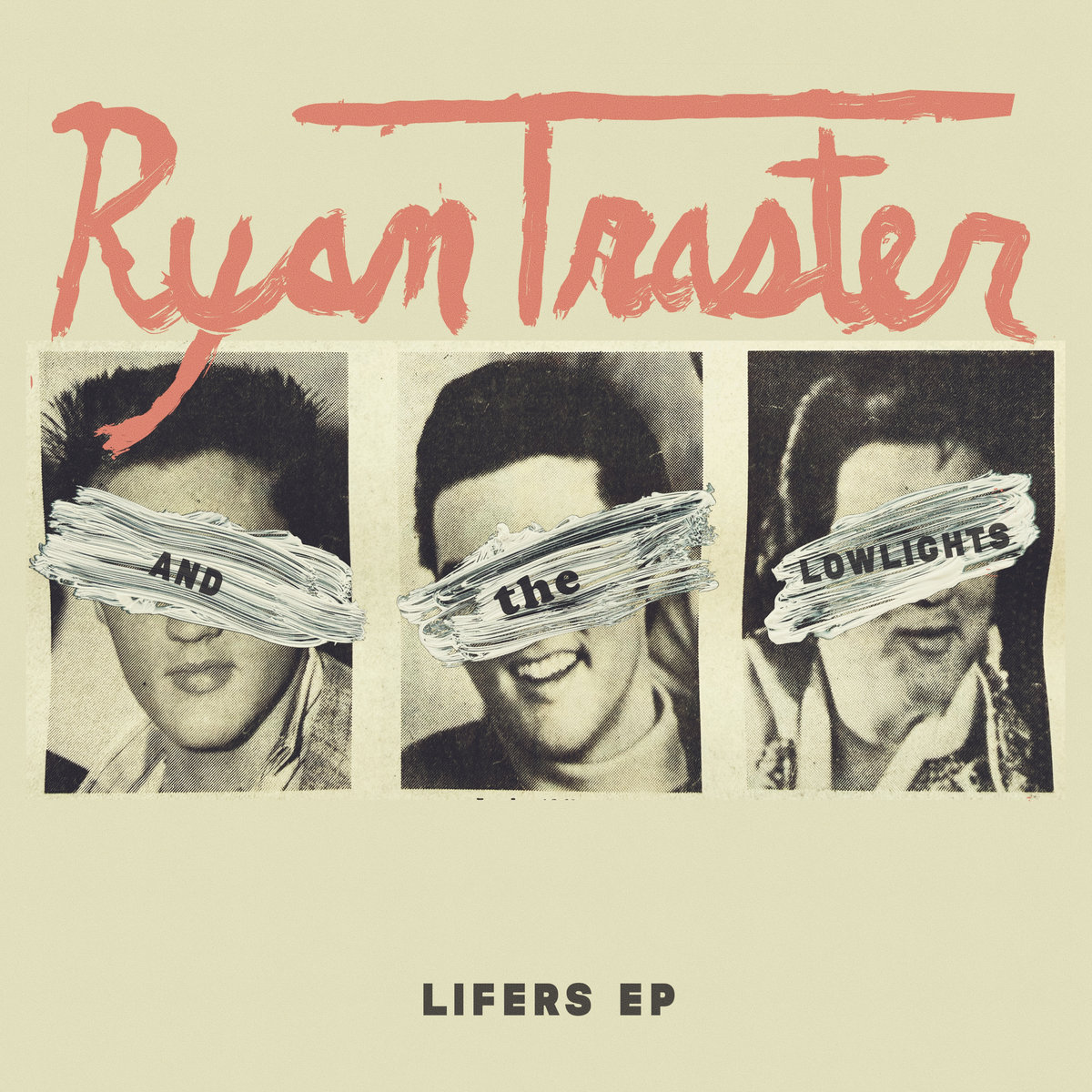
“We dug deep for this EP and pushed ourselves and our musicianship to make something we are genuinely proud of. It includes some of the rawest and most angular music either of us have ever written and we really love the direction it’s taking.” -Holly Carter (Weather Happy)
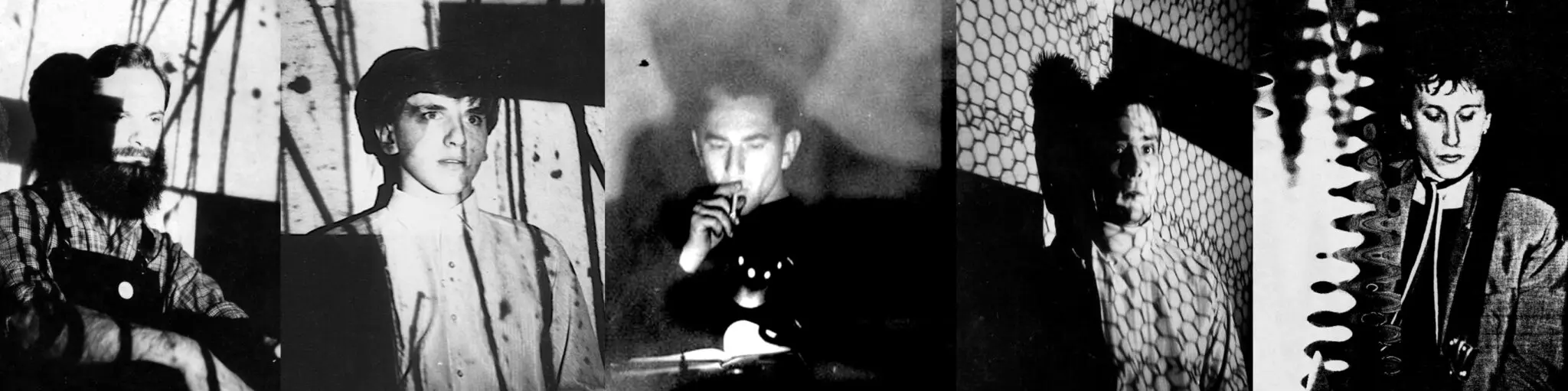
“The live performances energized our situation and intensified it with lots of adrenaline and everything else. And on stage we used a lot of strobes and visual things like slide projections, so it was an assemblage of all these images and sounds coexisting. That does alienate the audience in some sense because you know they weren’t used to that kind of thing. It was new. People were expecting to see four guys on stage or whatever with instruments playing a whole selection of tracks or songs or whatever and that was it. We used to do a lot more with it.” – Adi Newton on Clock DVA’s early performances
“The live performances energized our situation and intensified it with lots of adrenaline and everything else. And on stage we used a lot of strobes and visual things like slide projections, so it was an assemblage of all these images and sounds coexisting. That does alienate the audience in some sense because you know they weren’t used to that kind of thing. It was new. People were expecting to see four guys on stage or whatever with instruments playing a whole selection of tracks or songs or whatever and that was it. We used to do a lot more with it.” – Adi Newton on Clock DVA’s early performances
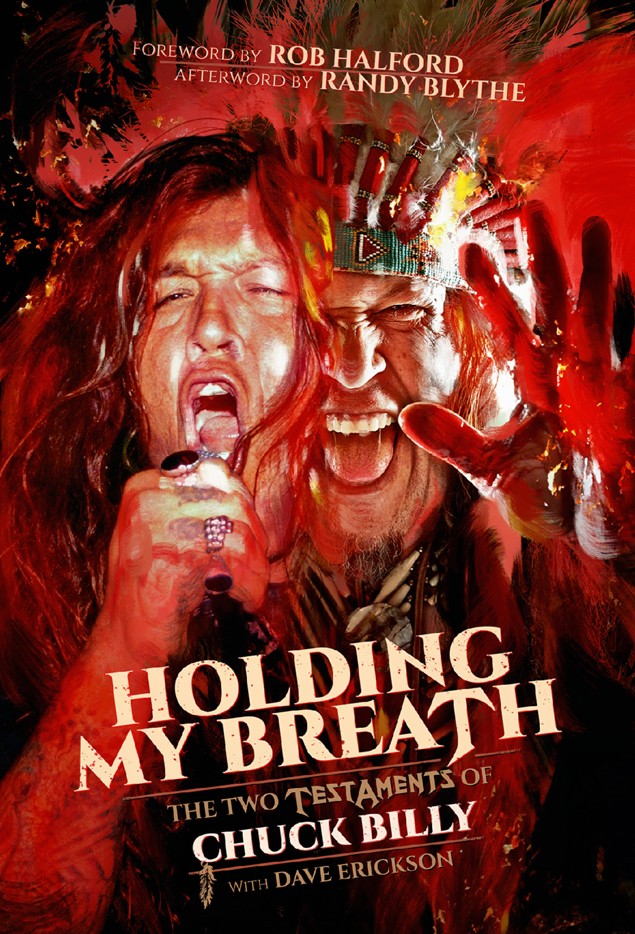
“I’m a private and quiet guy, but after talking about the project, I wanted people to understand who I am. Not just read a book about a celebrity or think it’s just all about Testament. That is obviously an important part of my life and further shaped me, but I begin the book reflecting on really early parts of my life,” said Chuck Billy.
“I’m a private and quiet guy, but after talking about the project, I wanted people to understand who I am. Not just read a book about a celebrity or think it’s just all about Testament. That is obviously an important part of my life and further shaped me, but I begin the book reflecting on really early parts of my life,” said Chuck Billy.