
Nika is a writer interested in underground music, visual culture, and artists who build a world around their sound. Her work follows atmosphere, subculture, and the details that make music feel alive, especially when it is theatrical, abrasive, genre-resistant, or strange enough to stay with you.
Quiz Show’s “XONO” is guitar heavy and oddly buoyant, pairing punk bite with a funky pulse and a vocal that keeps the song playful even as the lyrics look at a relationship coming apart.

“The Room” carries the optimism of travelling through somewhere completely new, its guitar and drums continually pausing, resetting, and pulling the song forward.
Delerium and Diamanda Galás take “Into The Light” from dark, distorted tension into something stranger and almost trance-like, with synths and small strings gradually bringing light into the track without losing what made the opening so unsettling.
Nearly four decades into their story, Jack’s Maze return with “Let It Go,” a dark, expansive rock single about the strange point where music stops being escape and starts following you everywhere.
Raised On Candy let “Pickle Eyes” reveal itself gradually, moving from wiry tension into layered guitars, exposed vocals, explosive drums, and a final surge that makes its opening feel deceptively small.
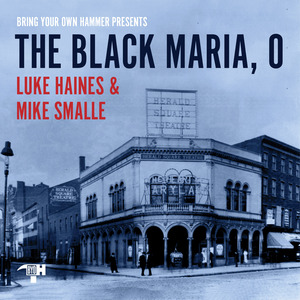
Luke Haines and Mike Smalle pull an 1887 Irish American song into a tense electronic present on “The Black Maria, O,” where antique criminal slang, synthetic pulse, and gathering metallic chaos make history feel strangely immediate.
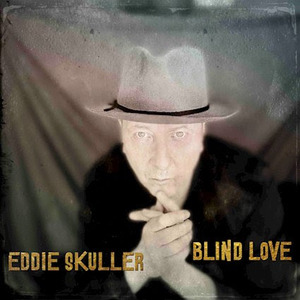
Eddie Skuller’s “House Where Nobody Lives” reframes Tom Waits’ abandoned-house ballad through tender melody, live-tape intimacy, and a quietly bruised sense of what love leaves behind.
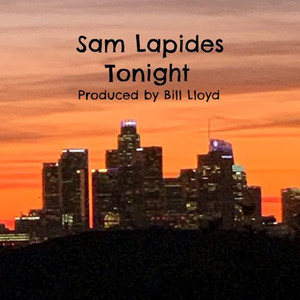
The single carries that worn Americana space beautifully. It brushes against country without dressing itself in full country costume, western in its dust and plainness, but still tied to the folk-rock instinct that has shaped Lapides’ songwriting for decades.

Chris Connelly’s “Nothin’ But A Rock Song” turns Lou Reed’s 1974 voltage into a collage of sneer, glamour, cigarette smoke, media memory, and rock attitude, where surface carries its own kind of intelligence.
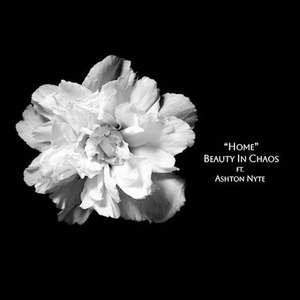
Beauty In Chaos and Ashton Nyte return to one another on “Home,” a restrained, intimate single that finds its force in space, recognition, and the quiet certainty of belonging.
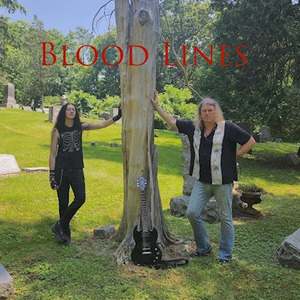
Robin Ross and Carmine Gontz turn “Blood Lines” into a heavy, full hearted rock song about family as something inherited, carried, survived, and passed forward.
Lowsunday’s Low Sunday Ghost Machine – Black EP turns their long return into something beautifully exact, carrying shimmer, distortion, loneliness, and melody through songs that make old ache feel newly legible.

Liverpool post-punk veterans The Room pull “Things Have Learnt to Walk That Ought to Crawl” back into motion, turning an early cult track into a sharp, jangling blast of doom-pop momentum.
Ecce Shnak’s “Anna O” pushes psychological captivity into a heightened art rock escape scene, with grunge weight, jagged vocals, and a video that brings the song’s inner conflict into view.
Sun Atoms’ “Narco Polo Remixes” pull the Isaac Brock collaboration into a darker, rougher shape, with heavy low end, warped vocals, and a groove that feels deliberately unstable.

Jah Wobble and Tian Qiyi recast “Strawberry Fields Forever” as something heavier, stranger, and more physically disorienting, pulling The Beatles’ dream logic through dub bass, drums, guzheng, erhu, and a thick psychedelic haze.
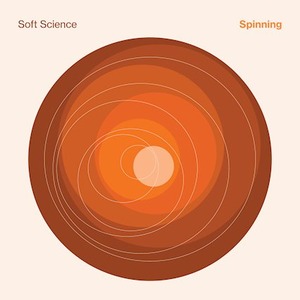
Soft Science’s “Spinning” rides a bright dream pop rush, with chiming guitars, restless motion, and a chorus that turns emotional repetition into something built for a hot summer night drive.
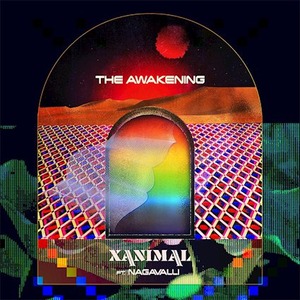
XANIMAL’s “The Awakening” moves through glowing synths, hypnotic rhythm, and Nagavalli’s voice with a low-lit, cinematic calm that feels both meditative and club-adjacent.

Jonny Couch’s “Where The Sidewalk Ends” has the scrappy pull of a song built for repeat plays, with sharp verse guitars, bright synth lift, and a chorus that turns noir tension into pure release.
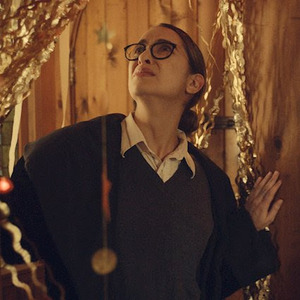
Ecce Shnak’s “Eddie, Legalistic Homeslice” keeps its colour and bounce while the vocals turn the song into something stranger, sharper, and more exposed.
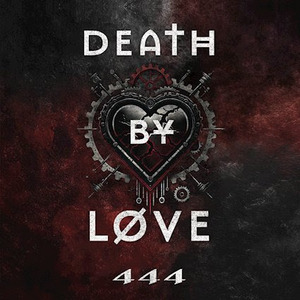
DEATĦ B¥ LØVE’s 444 is a dark, sensual, and cinematic debut that pulls electronic goth, industrial pressure, trip hop, and Middle Eastern textures into something unusually vivid.

Julia Greenberg’s “Born Sentimental” EP captures folk music at its most human: raw, close, funny, mournful, and carried by musicians who trust the room they are playing in.
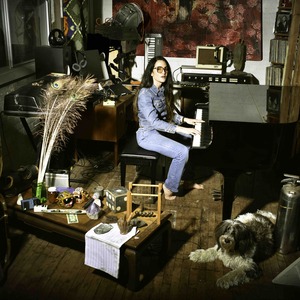
Joan As Police Woman revisits Real Life with new collaborators, deeper instrumental space, and a sense of motion that reveals how much room these songs had inside them from the beginning.
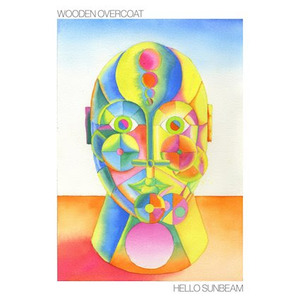
Wooden Overcoat’s debut EP turns lo-fi psych, shoegaze haze, and basement-recorded warmth into something bright, uneasy, and quietly haunted.
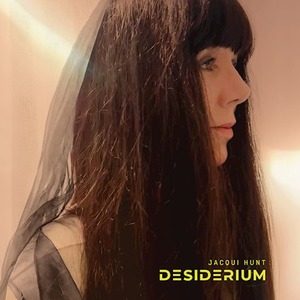
Jacqui Hunt’s “Cycles” strips her electronic and dream pop history down to piano, voice, and grief, turning repetition into the song’s quiet emotional force.
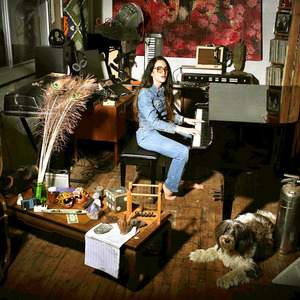
Joan As Police Woman’s “I Defy” returns as part of Real Life Evolution, drawing its force from her close vocal, Krystle Warren’s entrance, and an arrangement that grows from worn intimacy into dramatic heat.

The Joy Thieves return with “No Anchor,” a Chris Connelly-fronted industrial rock single that turns isolation, moral drift, and collapse into something aggressive, precise, and hard to shake.

Julia Greenberg’s “Leaves” turns loss into something warm, plainspoken, and quietly hopeful, letting memory, humour, and live-room intimacy carry the song forward.

Bring Your Own Hammer’s “From The Tombs” turns a harsh historical fragment into polished, melodic indie pop, giving a nearly vanished life movement, colour, and care.
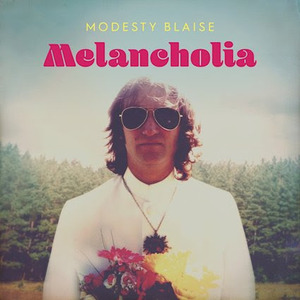
“Melancholia,” Modesty Blaise’s returning album carries its fullness easily, with careful songwriting, odd warmth, and enough detail moving through the record to make the 25th Anniversary remaster feel genuinely worth returning to.
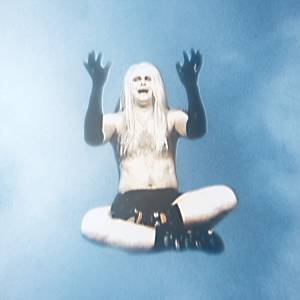
Ecce Shnak’s “Vincent” moves with theatrical force, operatic vocal lifts, jagged rhythm, and heavy art-rock bursts, turning a smug antagonist into something strange, sharp, funny, and fully alive