
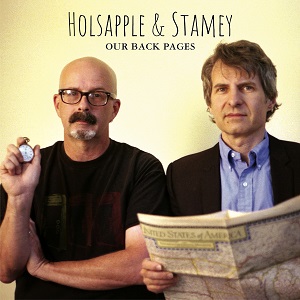
In which our intrepid co-leaders of the dB’s revisit their back catalog in more stripped-down and intimate takes than the louder versions on record by the band.
As time and aging are common themes throughout the album, it is fascinating to listen to an artist with a new perspective sing these songs written by his younger self.

Metamorphosis will appeal most of all to fans of the genre looking for something more intellectual than the standard fare.
At a mere twenty-five minutes, Disturbios may seem short on the surface, but the band makes the most of its timeframe and never misses a step.

Francie Conway continues on his divine path of excellence with “Staycation”

He’s created something well worth hearing and not just for obsessive Smoking Popes fans.
The son of a master sitar player and grandson of a Bollywood composer, drummer Keshav Batish brings worlds of experience to his music.

The aesthetic is exactly what you’d expect – three chord romps that drag fifties rock & roll through a Nuggets filter, with some C&W and R&B seasoning – but this music depends more on personality and energy than originality.
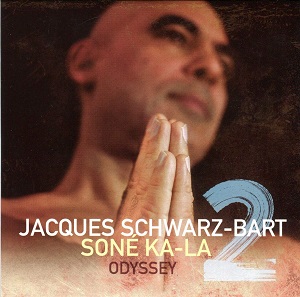
For Soné Ka-La 2: Odyssey, a sequel to his 2006 LP Soné Ka-La, Schwarz-Bart takes inspiration for the Gwoka traditions from his youth growing up in Guadeloupe.
Like the primeval thunderstorms of Stravinsky’s Rite of Spring, the music of Echo Us scratches an ancient itch deep in the back of the listener’s subconscious.
Like a lot of members of the early nineties alternarock nation, Wanderlust was and is a power pop band at heart.
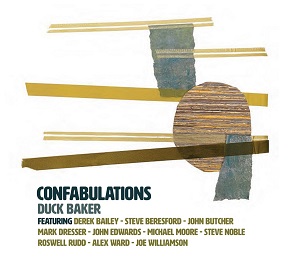
Confabulations collects duo and trio recordings made over the course of twenty-three years, and features players from the more adventurous side of the jazz spectrum for an album of uneasy listening.

The legandary Boston guitarist returns with his Engine Room outfit, and stylishly follows up 2017’s Full Steam Ahead album

“Glasgow singer-songwriter Daniel Wylie and his regular musical cohorts (Neil Sturgeon, Johnny Smillie, Stu Kidd) have once again graced the ears of listeners with a beautiful new record, one released at the trailing end of a deadly pandemic.”

For all of the seriousness behind the inspiration, Wise John handles it with a deft touch; sometimes with humor, sometimes with anger, and sometimes with a hint of naivety.

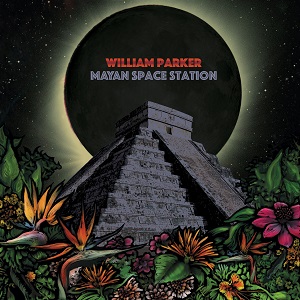
Over nearly five decades of service, bassist and composer William Parker has earned the title legend.
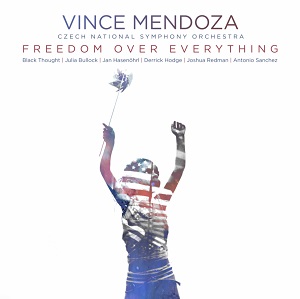
Inspired by the last several years of national crisis and political turmoil, Freedom Over Everything finds him using the Czech National Symphony Orchestra as the main vehicle for his compositions, with guests drawn from other musical worlds.

The Virtualistics is undoubtedly a product of the COVID age, but it is also a light at the end of the tunnel.

While it’s no surprise, given the nearly forty years of experience these guys have making music, the consistent level of craft and attention to detail never fail to impress.

Drummer Jason Nazary has a resumé that glides all over the map, from the indie rock of Bear in Heaven to the avant-jazz of Anteloper to side person work with the likes of jazz musicians Darius Jones and Noah Kaplan.
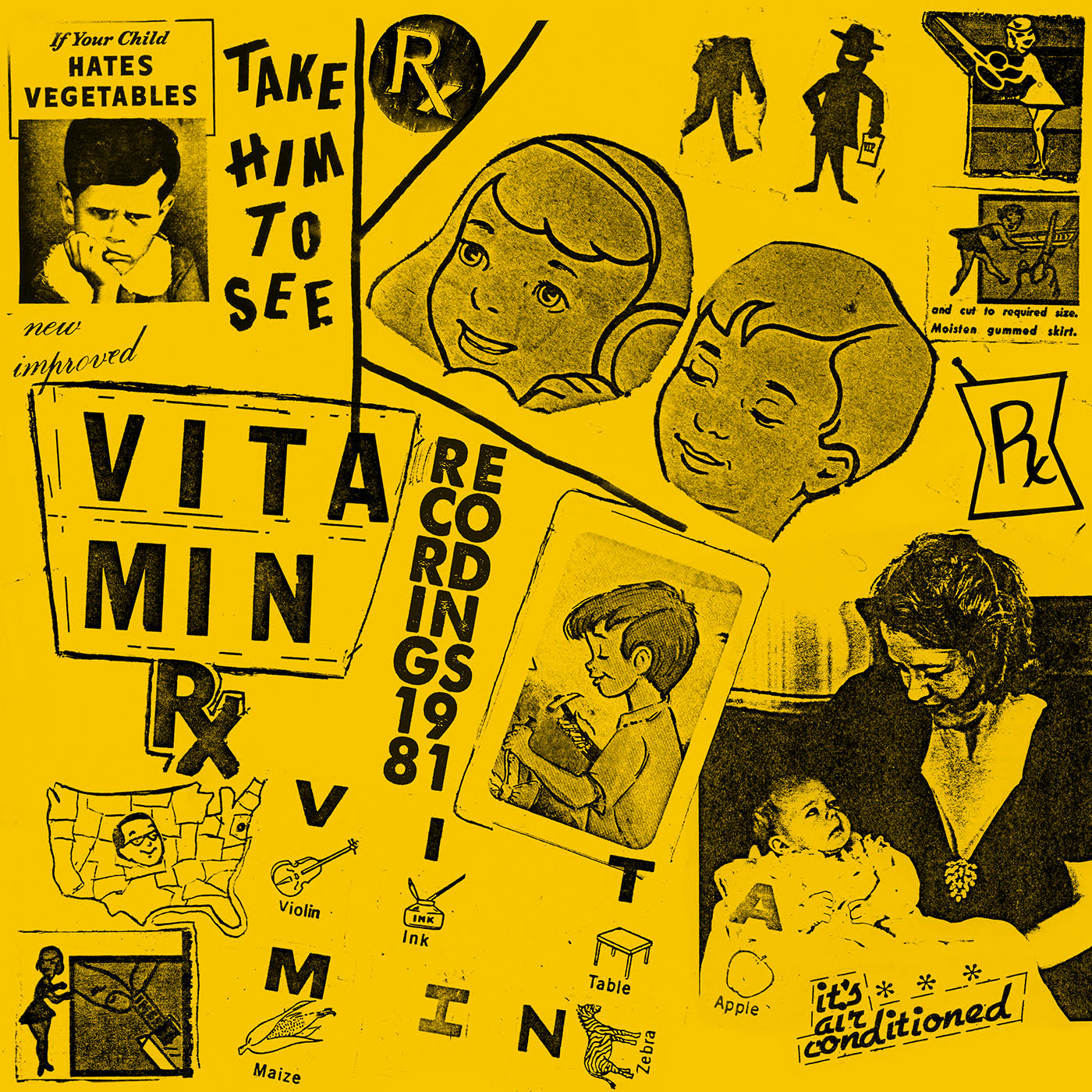
Included are 4 studio tracks and 9 live tracks, all among the best American no wave/post-punk material of the era.

J.P. Shilo has been around the block a few times, as leader of atmospheric instrumentalists Hungry Ghosts, member of the Black-Eyed Susans, associate of Mick Harvey, Rowland S. Howard, the Triffids and more. Jubjoté, however, may be his most unusual project yet.

Release is one the truest, most mature accounts in contemporary folk of what it means to struggle, to persevere, or to just get by.

Ellen Foley returns, and she means buisness on her latest album ‘Fighting Words’

The Music Therapy Experiment is a place where mental health, music therapy, and great sonic vibes co-exist and their latest release is a gorgeous affair that goes by the name of Art and Science. Not just great songs but technically brilliant playing and some exceptional wordplay and punning too.

Joined by stalwart drummer Jon Wurster and ex-*R.E.M.* bassist Mike Mills, Narducy essays his usual approach: taking pop hooks, witty lyrics and punk energy, and turning it all into something more than mere power pop.

Sleater-Kinney return with an album that defies expectations, and proves how they will not simply disappear.
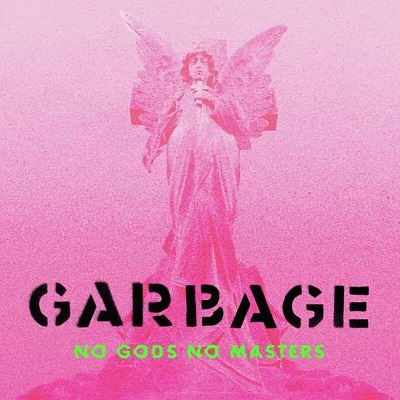
Garbage release album #7, a statement of consistency that displays a heavy amount of social consciousness
Guitarist, singer and songwriter Marc Ribot has been a tear of late – his last pair of albums, Ceramic Dog’s YRU Still Here? and his own Songs of Resistance 1942-2018 were both overt broadsides against the bow of the then-presidential administration. Recorded with the Dog (AKA drummer Ches Smith and bassist/jack-of-all-trades Shahzad Ismaily), Hope continues the trend, reflecting the struggles of living through the pandemic.
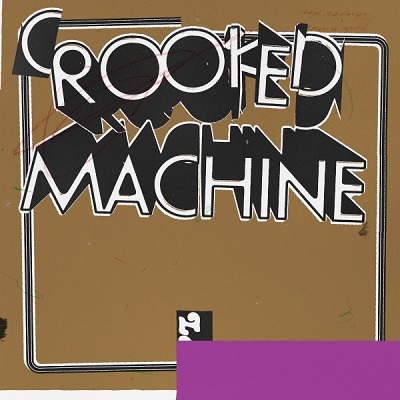
The sonic chanteuse Róisín Murphy returns with the same energetic class as 2020 with Crooked Machine
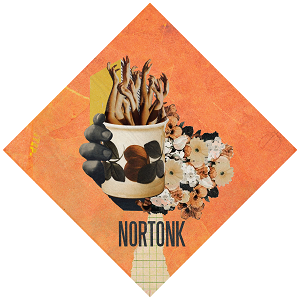
NYC quartet Nortonk takes its inspiration from classic chord-free quartets like Ornette Coleman’s classic foursome of the fifties and sixties, or more recent practitioners like Broken Shadows.
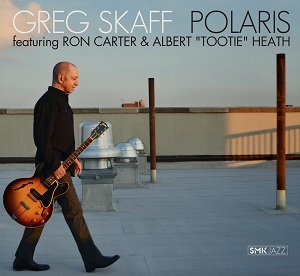
There’s a real joy to these performances – you can easily imagine the musicians grinning the whole time the tapes rolled.
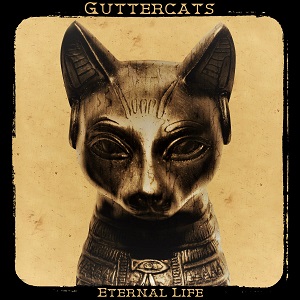
Fifth LP Eternal Life finds leader Guts Guttercat and his merry crew eschewing irony, flash and trendiness for sincerity, style and classicism.
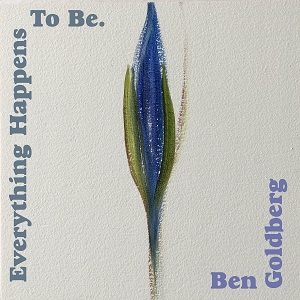
Everything Happens to Be. just happens to be a perfect example of adventurous jazz in the twenty-first century.
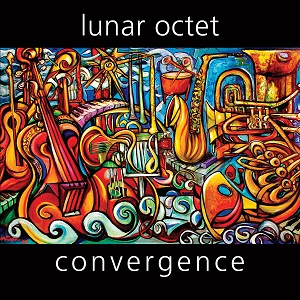
The songs serve up memorable hard bop melodies over infectious rhythms, while the group’s interest in Latin and African music gives every cut buoyant grooves that make the songs danceable without being anything so crass as crossover.
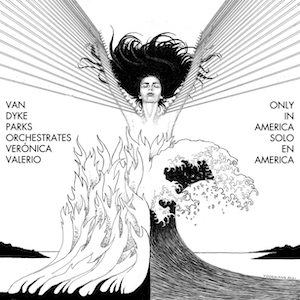
Worlds and generations collide, with breathtaking results.
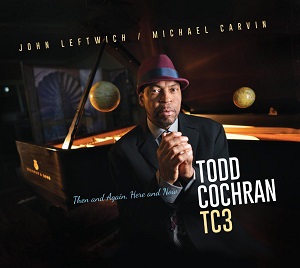
What makes the record stand out isn’t just the confident swing of the band or the easy melodicism of the leader. It’s also the thought put into the programming.

Though Kansas City foursome Knife Crime has been together a decade, Lovely is only their first LP. But founding brothers Byron and Brad Huhmann, Jeremiah James Gonzales, and Jake Cardwell have honed their skills in 16 bands between them.

On album #2, Lawrence, KS trio Chess Club sharpens their songwriting and attack – and ditches the sporadic lapses into screamo – over 2018’s haphazard Hit the Ball.
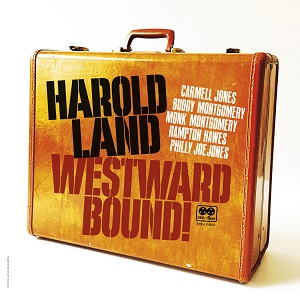
Westward Bound! is a prime showcase for Land’s talents as a bandleader and improviser.
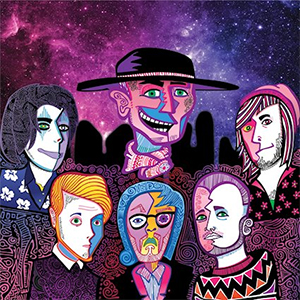
Madness on Repeat which fantastically showcases the tight, telepathic communication between the members and their impressive musicianship.
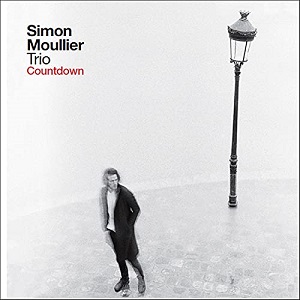
Moullier’s focus here is on the song, rather than virtuoso displays – not that there aren’t a few of those.

A 2000 psychedelic gem from Argentina resurfaces in the material world.
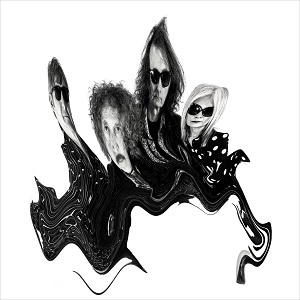
When Australia’s Scientists reunited for wildly received tours and performances in support of their massive 2016 boxed retrospective A Place Called Bad, a new record seemed inevitable.
This is no blowing session, where he shows off every style he can play. Instead Lage uses just the right bits of his experiences to serve each song.
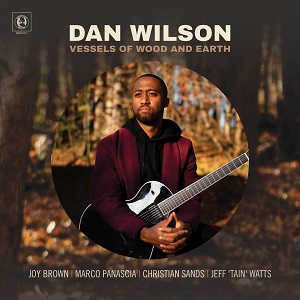
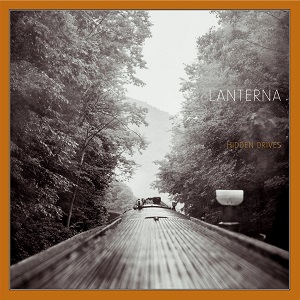
The seventh album from Lanterna, Hidden Drives finds Frayne in top-notch form, spinning dreamy, tuneful webs of six-string sorcery that recall wide vistas, sunny mountainsides, and rivers running alongside green shores.

Bay area pianist Dahveed Behroozi has long split his time between jazz and classical music, and it shows on his second album Echos.
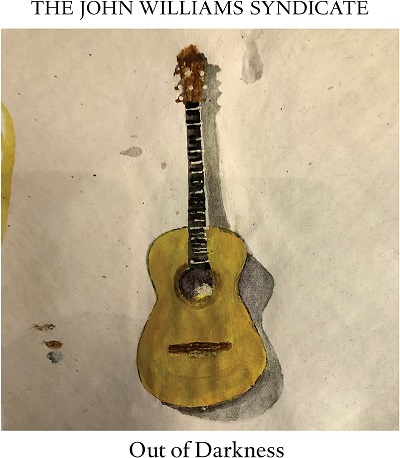
The producer with the midas touch John Owen Williams releases his debut album Out Of Darkness, and all expectations are fulfilled